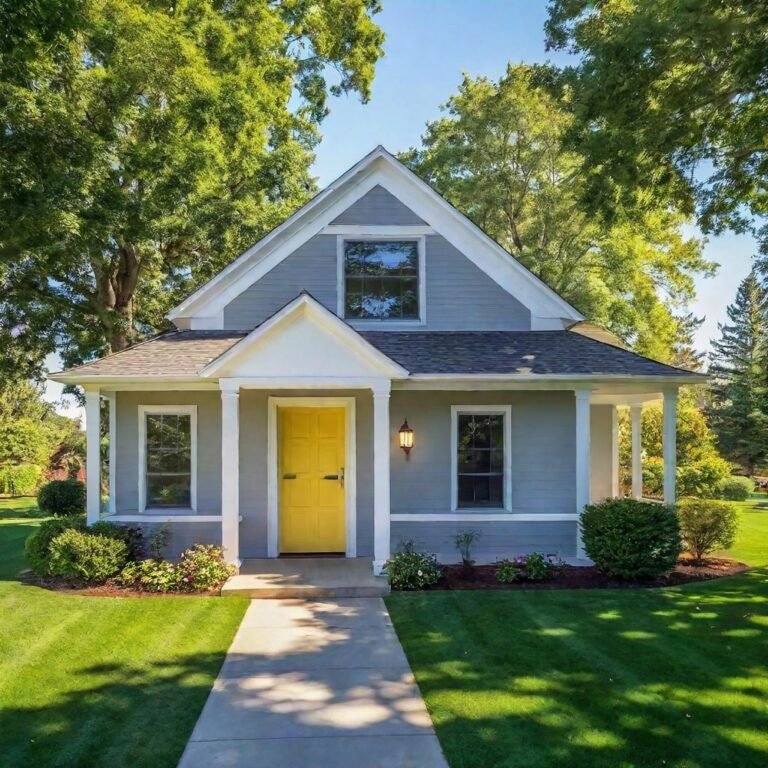
How to Maximize ROI on a Cabin Rental Property in 2026
Cabin rentals have evolved from passion projects into legitimate investment vehicles. In 2026, the most profitable cabin owners aren’t guessing — they’re operating with the mindset of real estate investors, not vacationers.
Rising construction costs, more sophisticated guests, and tighter local regulations mean that returns are no longer guaranteed by location alone. Maximizing ROI now requires intentional decisions across acquisition, design, operations, pricing, and exit strategy.
This guide breaks down what serious investors should focus on in 2026 to protect margins and increase long-term returns.
1. Start With Market Fundamentals, Not Aesthetics
Scenic views matter — but ROI starts with data.
Before acquiring or building a cabin, analyze:
- Average Daily Rate (ADR) by season
- Occupancy trends (weekday vs. weekend)
- Revenue per available night (RevPAN)
- Local supply growth (new listings coming online)
Markets that feel hot may already be saturated. In contrast, secondary or emerging cabin markets often offer:
- Lower acquisition costs
- Less competition
- Strong shoulder-season demand
In 2026, investors should prioritize undersupplied micro-markets within 2–4 hours of major metros rather than headline destinations.
2. Design for Revenue, Not Square Footage
Bigger cabins don’t always mean bigger profits.
High-ROI cabin rentals share these traits:
- 1–2 bedrooms that sleep efficiently
- Strong indoor–outdoor connection
- Features that photograph well
- Amenities that justify premium pricing
Instead of adding square footage, invest in:
- Hot tubs or saunas
- Covered decks
- Fire pits with seating
- Panoramic windows
These features increase ADR without significantly increasing operating costs.
Investor insight: Two well-designed 400–600 sq ft cabins often outperform one 1,200 sq ft cabin on the same parcel.
3. Build or Buy With Operational Efficiency in Mind
ROI is driven as much by expenses as by revenue.
When evaluating a cabin:
- Favor simple rooflines (lower maintenance)
- Avoid complex plumbing layouts
- Choose durable finishes over trendy ones
- Design storage for cleaners and maintenance
In 2026, labor costs remain elevated. Cabins that are easier to clean, inspect, and repair maintain higher net margins.
If building, consider:
- Prefab or panelized construction for cost certainty
- Standardized layouts if scaling to multiple units
Operational simplicity compounds returns over time.
4. Optimize for Year-Round Demand
Seasonality is the silent ROI killer.
High-performing investors reduce volatility by:
- Adding four-season amenities (hot tubs, fireplaces, insulation upgrades)
- Marketing shoulder seasons intentionally
- Targeting non-leisure guests (remote workers, couples, retreats)
In colder climates, winter usability is non-negotiable in 2026. Guests expect:
- Reliable heat
- Backup power or redundancy
- Clear access plans in snow-prone areas
A cabin that only performs 4–6 months a year struggles to meet investor return thresholds unless acquisition costs are exceptionally low.
5. Price Dynamically — But Strategically
Static pricing is outdated.
Serious investors use:
- Dynamic pricing tools
- Manual overrides for high-demand dates
- Minimum night adjustments by season
However, ROI-focused pricing is not about maximizing nightly rates — it’s about maximizing annual net income.
In 2026, smart operators:
- Accept slightly lower ADRs in exchange for higher occupancy
- Protect peak dates aggressively
- Discount strategically to avoid dead calendar gaps
A 5–8% increase in annual occupancy often outperforms a 10% ADR increase with inconsistent bookings.
6. Control Expenses Without Degrading the Guest Experience
ROI leakage most often happens through:
- Over-frequent maintenance
- Inefficient cleaning turnover
- Utility inefficiencies
Key tactics:
- Install smart thermostats and leak detectors
- Use commercial-grade linens
- Standardize supplies across properties
- Track maintenance issues by frequency
Energy efficiency upgrades may not feel exciting — but they directly improve NOI.
7. Treat Reviews as a Revenue Asset
In 2026, algorithm-driven platforms reward consistency.
High review scores:
- Increase booking conversion
- Support higher ADRs
- Reduce reliance on paid marketing
Investors should systematize:
- Guest communication
- Check-in clarity
- Issue resolution
One unresolved issue that turns into a 4-star review can suppress earnings for months.
ROI-focused owners think in review velocity, not just averages.
8. Understand Local Regulations and Plan Ahead
Regulatory risk is now a core underwriting factor.
Before investing:
- Verify short-term rental legality
- Understand permit caps and renewal rules
- Factor in potential compliance costs
In 2026, the most resilient investors:
- Diversify across jurisdictions
- Design cabins that can pivot to mid-term rentals
- Avoid markets with unstable regulatory environments
Flexibility protects ROI when rules change.
9. Scale Intentionally — or Don’t Scale at All
Scaling amplifies both profit and mistakes.
Before adding units, ensure:
- Systems are documented
- Financials are clean and predictable
- Maintenance workflows are stable
Some investors achieve better ROI by:
- Owning fewer, higher-quality cabins
- Paying down debt strategically
- Reinvesting cash flow into upgrades
Growth should serve returns — not ego.
10. Think About Exit From Day One
ROI is realized not only through cash flow, but through exit value.
Design and operate with:
- Clear documentation
- Strong income history
- Transferable systems
Cabin properties with:
- Consistent NOI
- Low deferred maintenance
- Brand recognition
…command premiums when sold as income-producing assets.
Key Metrics Serious Investors Should Track in 2026
If you’re not tracking these, you’re guessing:
- Gross rental revenue
- Net operating income (NOI)
- Cash-on-cash return
- Occupancy by season
- ADR vs market benchmarks
- Maintenance cost per booking
These metrics guide smarter decisions than aesthetics ever will.
Final Thoughts: ROI Comes From Intentionality
In 2026, cabin rentals are no longer “easy money.” But for disciplined investors, they remain one of the most flexible and compelling niches in short-term real estate.
Maximizing ROI means:
- Designing with purpose
- Operating with discipline
- Adapting to market signals
- Thinking beyond the next booking
Cabins that are treated like businesses outperform those treated like hobbies — every time.

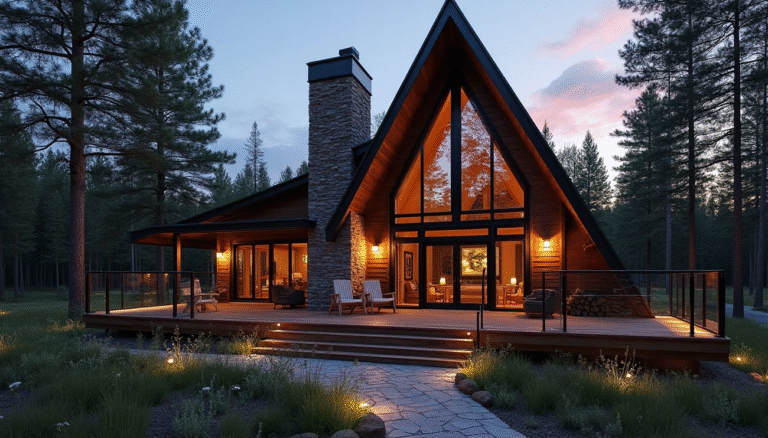
![How to Start a Cabin Rental Business: Build a 200 Sq Ft Money-Making Retreat [2025 Guide]](https://cabincalculator.com/wp-content/uploads/2025/07/How-to-Start-a-Cabin-Rental-Business-Build-a-200-Sq-Ft-Money-Making-Retreat-2025-Guide-768x438.webp)