Designing Your Own Log Cabin
There’s something deeply satisfying about the idea of a log cabin — a place built with your own vision, nestled among the trees, sturdy and quiet. Designing your own is one of the most rewarding creative challenges a homeowner or outdoor enthusiast can take on. But it’s also one that rewards careful planning above all else.
Whether you’re dreaming of a cozy weekend retreat or a full-time off-grid home, the design process for a log cabin is unlike designing a conventional stick-frame house. The materials are living, natural things. The joinery is an art form. And the costs can shift dramatically based on decisions you make long before a single log is laid. Here’s how to approach your log cabin design with confidence — from your first sketch to your final floor plan.
Start With Your “Why” — and Your Site
Before you think about square footage or log species, start with two foundational questions: What will this cabin be used for, and where will it sit? These two factors will shape every design decision that follows.
A hunting camp used four weekends a year has completely different requirements than a retirement home or a family vacation property. Consider how many people need to sleep comfortably, whether you need a dedicated workspace, and how much time you’ll realistically spend there. These answers determine your minimum viable size — and help you avoid over-building.
Your site matters just as much. A south-facing slope in the Appalachians calls for different window placement than a lakefront lot in Minnesota. Study your land’s sun patterns, prevailing winds, and drainage before you finalize your footprint. A good cabin design works with the landscape — not against it.
Choose Your Log Style and Construction Method
Log cabins are not all built the same way, and the construction method you choose will affect both your budget and your design flexibility. The four most common methods are:
- Full-scribe (handcrafted) logs — Each log is shaped by hand to fit the one below it. Highly traditional, labor-intensive, and beautiful. Best for those who want the most authentic look.
- Post and beam — Large timber posts and beams form the structural frame, which can be infilled with other materials. Offers more design flexibility and is often faster to build.
- Milled log (machine-crafted) kits — Logs are processed to a uniform profile and pre-cut in a factory. More predictable costs and faster assembly on-site.
- Stacked cordwood (stackwall) — Short log sections are stacked with mortar between them. Excellent insulation value and a striking, rustic aesthetic.
Each method has implications for your foundation, your insulation strategy, and even how your cabin “settles” over time. Log homes settle vertically as the wood dries — sometimes several inches over the first few years — so your design must account for this with slip joints around windows, doors, and interior partition walls.
Sketch Your Floor Plan Around Function
Resist the temptation to start with aesthetics. Instead, map out how you actually move through a day at the cabin. Where does wet gear go when you come in from a hike? How does cooking flow to the dining area? Is there enough privacy if guests are sleeping over? High quality design software will help with all of these issues.
“The best cabin floor plans feel inevitable — like the space couldn’t exist any other way. That clarity comes from obsessing over function before form.”
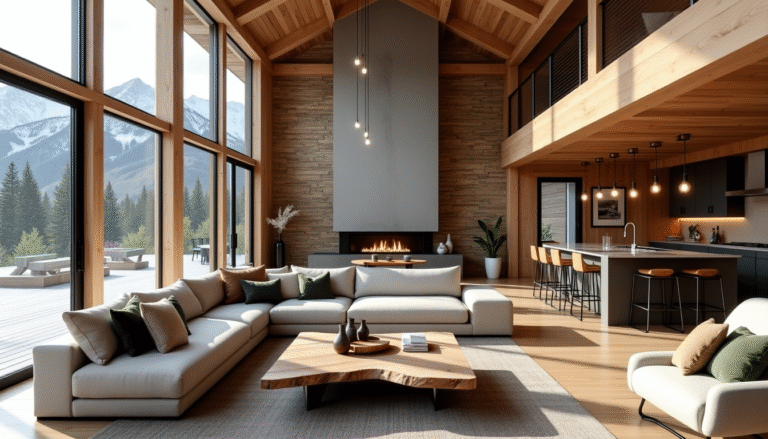
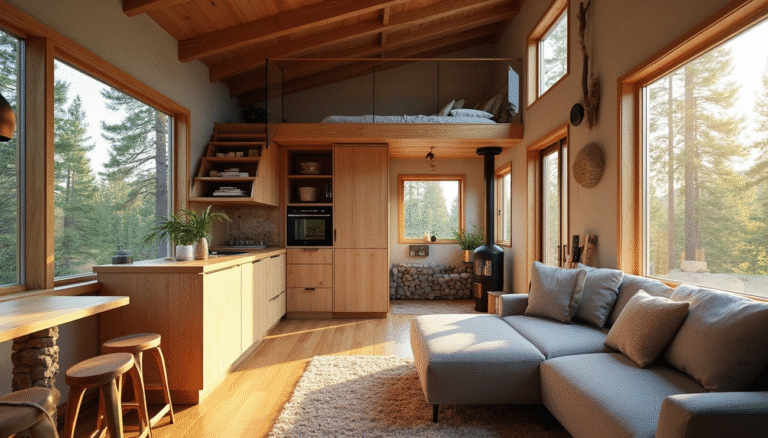
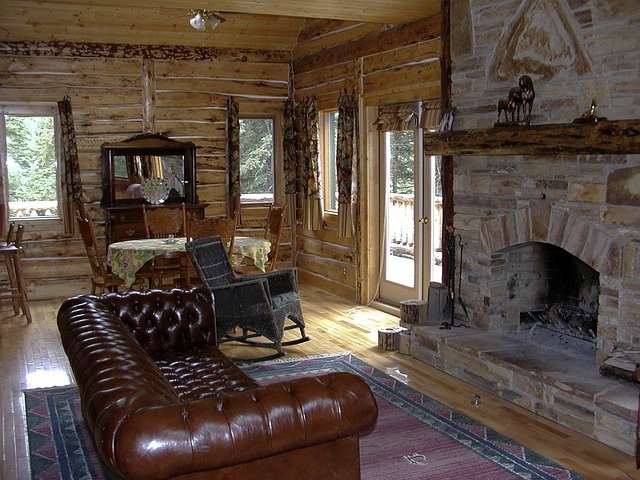
Log cabins tend to reward open floor plans because the structural walls are doing a lot of the visual work. A great room that combines kitchen, dining, and living space under exposed log beams feels expansive even in a small footprint. Lofts are a classic way to add sleeping space without adding to your foundation size — and they look spectacular with a cathedral ceiling below.
Think carefully about ceiling heights and roof pitch. Steeper pitches shed snow more effectively in mountain climates and create room for lofts. But they also add cost. A 12:12 pitch looks dramatic; a 6:12 is easier on the budget.
Windows, Porches, and the Art of the View
One of the great pleasures of a log cabin is framing the landscape around it. Strategic window placement can transform an ordinary room into something that feels completely connected to the outdoors. Consider where the most compelling views lie from your site, and design your primary windows and glass doors to face them.
Design Tip
Place your largest windows on the south and east walls to capture morning light and passive solar heat in cooler seasons. Limit glazing on north-facing walls to reduce heat loss in winter.
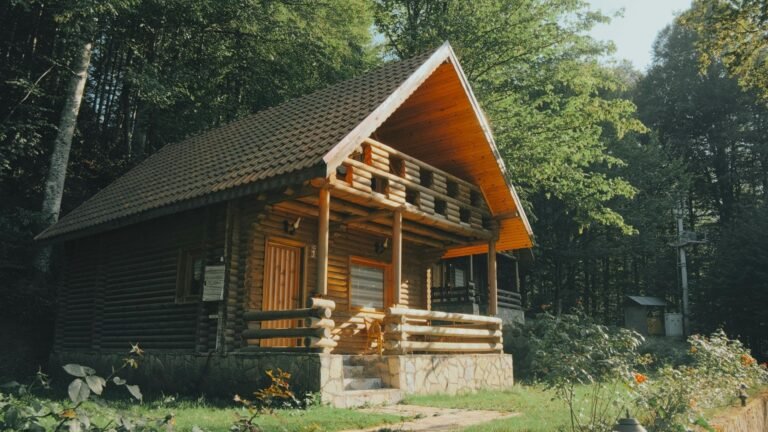
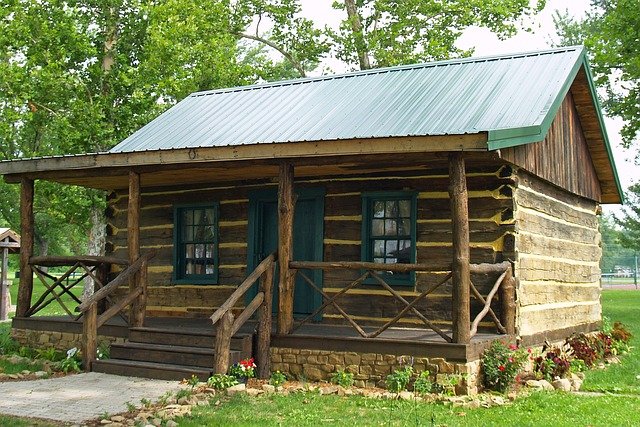
A covered porch is arguably the single best investment in a log cabin design. It extends your usable living space dramatically, protects your log walls from direct weather exposure, and creates that iconic cabin silhouette. A deep porch eave — at least 4 feet of overhang — goes a long way toward keeping rain off your logs and reducing the maintenance burden over the life of the structure.
Plan Your Systems Early
Unlike conventional homes, log cabins make it difficult to run mechanical systems after the fact. Electrical conduit, plumbing, and HVAC rough-ins need to be thoughtfully planned before the logs go up. If you’re building off-grid, your solar, battery, and propane systems need to be sized at the design stage — not retrofitted later.
Don’t overlook water supply and wastewater. Drilling a well and installing a septic system can easily represent $20,000 to $40,000 of your project budget depending on soil conditions and local regulations. Build these costs into your planning from day one so there are no surprises.
Calculate Before You Commit
The most common mistake in log cabin design is falling in love with a vision before understanding what it costs. A 1,200-square-foot cabin and a 2,000-square-foot cabin aren’t just different in size — they can differ by hundreds of thousands of dollars when you account for logs, foundation, roofing, systems, and interior finishes.
Getting a realistic cost estimate early — and iterating your design around it — is the discipline that separates successful cabin builders from those who stall out mid-project. Use a cabin cost calculator to model different scenarios: what happens if you go from a full-scribe build to a milled kit? What does adding a second bathroom actually cost? These inputs shape smarter decisions at the design stage, where changes are cheap.
Your log cabin design is a living document. Sketch freely, dream big, then pressure-test every decision against your budget and your site. The goal isn’t perfection on paper — it’s a cabin that gets built, gets used, and earns its place in the landscape for generations to come.