
2026 Guide to Buying Land for Your Log Cabin: Navigating Trends, Tech, and Zoning Reform
The dream of retreating to a custom-built log cabin remains a cornerstone of the American architectural imagination. However, as we move through the spring of 2026, the process of transforming that dream into a physical reality has evolved significantly. The “rushed” market of the early 2020s has been replaced by a more calculated, research-driven landscape. For prospective cabin owners, success in 2026 is no longer just about finding a beautiful view; it is about navigating a complex intersection of technological advancements, shifting state-level zoning reforms, and a new standard for sustainable, off-grid living.
The 2026 Land Market: A Shift Toward Clarity
As of March 2026, the recreational land market has entered a period of “normalization.” While demand for rural property remains high—driven by a permanent shift toward remote work and a growing desire for lifestyle-first investments—the frantic bidding wars of previous years have largely subsided. Today’s buyers are more patient and better informed.
One of the most notable trends this year is the rise of “recreational-first” land purchasing. Buyers are no longer chasing short-term appreciation; instead, they are prioritizing long-term utility and personal enjoyment. This shift has led to a more stable pricing environment, allowing builders to focus their resources on the quality of the structure rather than overpaying for the dirt beneath it. However, with spring competition heating up, the most desirable parcels—those with water access or unique topographical features—still move quickly.
Navigating the 2026 Zoning Revolution
Perhaps the most significant “timely” development for cabin builders in 2026 is the wave of state-level zoning reforms. Across the United States, many states have begun to strip away overly restrictive local zoning laws that previously hindered small-scale or non-traditional residential construction.
“Building on momentum from previous years, much of this year’s state-level zoning legislation focuses on eliminating overly restrictive zoning, expanding allowances for accessory dwelling units (ADUs), and streamlining the permitting process for rural developments.”
For the log cabin enthusiast, this means that parcels previously deemed “unbuildable” due to minimum square footage requirements or strict “single-family only” designations may now be viable. Many jurisdictions are now more permissive toward smaller “tiny cabin” footprints and the use of sustainable materials like hempcrete or reclaimed timber. Before purchasing land, it is essential to check if your target state has passed recent housing reform acts, as these can significantly reduce the time and cost associated with obtaining building permits.
Essential Site Considerations: Beyond the View
While the aesthetic appeal of a property is often what draws a buyer in, the technical feasibility of the site determines the ultimate success of the project. In 2026, several key factors have moved to the forefront of site evaluation:
1. Water Rights and Availability
In many regions, particularly the American West, water rights have become a critical legal hurdle. It is no longer enough to assume you can simply “drill a well.” Prospective buyers must conduct due diligence on existing water rights and the depth of the local water table. In some cases, water hauling or advanced atmospheric water generation systems are becoming the 2026 standard for remote cabins where traditional wells are not feasible.
2. The New Off-Grid Reality
The definition of “off-grid” has been redefined by technology. In 2026, living off the grid no longer means sacrificing modern comforts. High-capacity LiFePO4 (Lithium Iron Phosphate) battery systems now offer 10+ years of lifespan and several days of power autonomy, even in overcast conditions. When evaluating land, consider its “solar potential”—the amount of unobstructed sunlight the site receives—and its suitability for satellite-based internet services like Starlink, which have made even the most remote locations viable for full-time professional work.
3. Accessibility and Topography
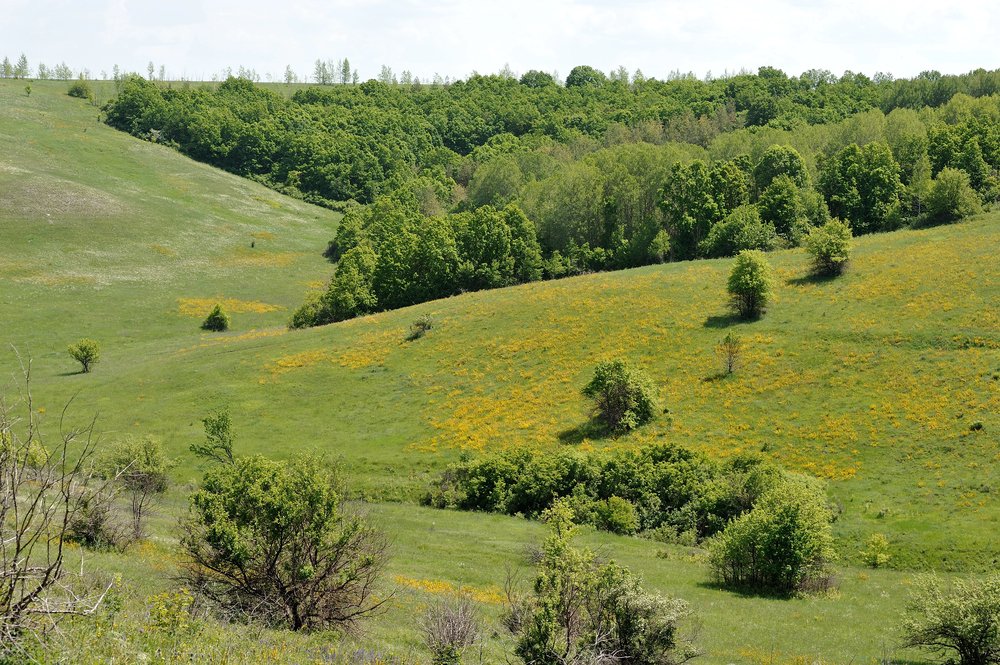
A common mistake for first-time land buyers is underestimating the cost of site preparation. A lot that is significantly below the grade of the road may face drainage issues or require expensive fill dirt. Conversely, a steep slope may offer a stunning cantilevered design opportunity but will drastically increase the cost of the foundation and the difficulty of getting heavy log-delivery trucks to the site.

Sustainable Trends in Log Cabin Design
The log cabin of 2026 is increasingly defined by its environmental footprint. We are seeing a surge in “Rustic Modern” designs that blend traditional log construction with high-performance, eco-friendly materials.
•Thermal Mass Optimization: Modern log cabins are being designed to maximize the natural thermal mass of wood, often supplemented by carbon-negative insulation materials like hempcrete.
•Living Roofs: To better integrate structures into the natural landscape and provide superior insulation, “green” or living roofs are becoming a popular choice for 2026 builds.
•Polygonal and Modular Layouts: Moving away from the traditional rectangular “box,” 2026 designs often feature polygonal shapes that maximize natural light and offer 360-degree views of the surrounding land.
Budgeting with Precision: The Role of Estimation Tools
One of the greatest risks in any construction project is “budget creep”—the slow, steady increase in costs that occurs when initial estimates are too vague. This is where tools like the Cabin Calculator become indispensable.
In the 2026 economy, material costs for timber and specialized labor can fluctuate. A precise estimation tool allows you to factor in not just the logs and labor, but the “hidden” costs of land ownership:
•Land Clearing and Grading: Often ranging from $5,000 to $20,000 depending on the terrain.
•Septic and Utilities: A modern septic system and off-grid solar setup can easily add $30,000 to $50,000 to the initial budget.
•Permitting and Impact Fees: While zoning reforms are helping, local impact fees for new rural builds can still be a significant line item.
By using a calculator early in the process—ideally before you even close on the land—you can determine if a specific parcel fits within your total project budget.
Conclusion: The Path Forward
Purchasing land for a log cabin in 2026 is an exercise in both vision and pragmatism. The landscape is more favorable than it has been in years, thanks to zoning reforms and technological leaps in off-grid living. However, the complexity of modern regulations and the technical requirements of sustainable building demand a higher level of preparation.
By focusing on “research over rush,” leveraging modern estimation tools, and staying informed on the latest zoning changes, you can ensure that your cabin project is not just a dream, but a lasting, sustainable legacy.