Small Space, Big Dreams: Your Guide to Perfect 400 Sq Ft Tiny House Design
The average size of new houses built in the U.S. reached 2,687 square feet in 2015. A 400 sq ft tiny house stands as a popular alternative that captivates people nationwide. Research shows 73% of Americans would happily live in a tiny home. Smart design makes this choice appealing because 400 square feet can feel like 800 square feet with proper planning.
My journey into tiny house design and tiny home ideas led me to a vital discovery – successful 400 sq ft tiny house floor plans share one significant element: clever use of space. A well-designed tiny home transforms our interaction with living spaces rather than just reducing everything in size. My research on tiny house design ideas shows that “a clever floorplan and an attention to detail make it feel spacious” even within compact dimensions.
This piece covers everything about creating your perfect 400 sq ft tiny house. You’ll learn about smart layouts, popular floor plans, and interior design solutions that use every inch effectively. The content helps both active tiny home planners and those curious about minimalist living to see how small spaces fulfill big dreams.
What Makes a 400 Sq Ft Tiny House Work
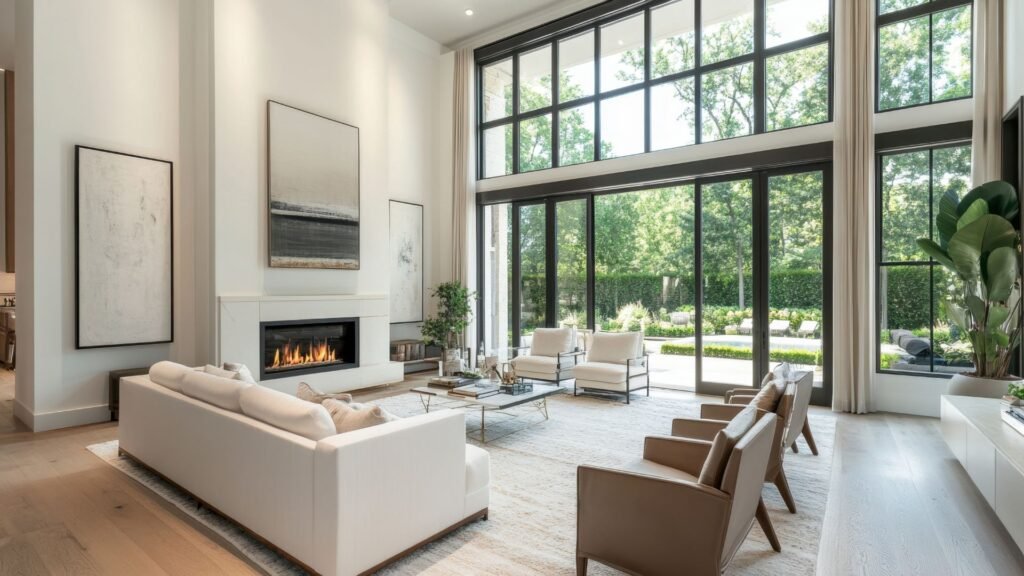
A 400 sq ft tiny house needs smart design to make every inch count. This size gives couples a comfortable and functional living space with all the needed amenities.
Smart layout planning
Size isn’t really the challenge—your approach makes all the difference. At the time you plan a tiny home, flexibility helps create the most livable space possible. Smart layouts need clever storage solutions and space-saving tricks that work. Double-duty furniture makes perfect sense. Storage ottomans can hide blankets while giving you seating, built-in benches store your stuff and offer places to sit, and fold-down tables work great as dining spots or desk space.
Vertical space can turn forgotten spots into storage gold. The space under the stairs becomes perfect for adding pull-out drawers or pantry storage. A lofted bedroom adds more living space to your tiny home and creates distinct zones without eating up extra square footage.
Balancing comfort and function
Your tiny house needs purpose behind each design choice—space is too precious to waste. Multifunctional furniture such as Murphy beds, extendable tables, and fold-out desks helps you use space wisely without making things feel cramped.
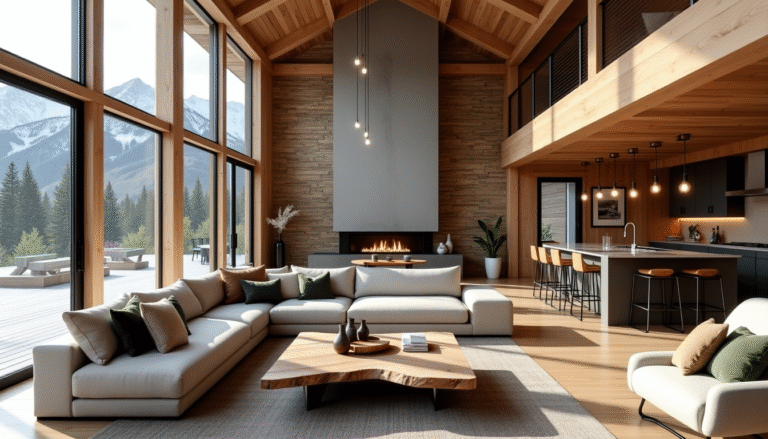
Open floor plans are vital. Light flows better without walls, creating dark spots. The kitchen, living room, and dining area blend into one open space. This setup maximizes natural light and makes your square footage feel bigger.
Importance of natural light and airflow
Natural light changes everything in tiny houses. Bright spaces feel larger, more welcoming, and healthier. Window placement matters—large windows on the south side let in maximum sunlight throughout the day. Skylights brighten up areas where wall space limits regular windows.
Good airflow works perfectly with natural light. Cross-ventilation stops air from getting stuffy by creating entry and exit points. Windows on opposite walls let breezes flow through easily. This setup keeps your living space comfortable all year long.
Popular 400 Sq Ft Tiny House Floor Plans
Learning about floor plans marks an exciting beginning to turn your tiny house dreams into reality. These 400 sq ft tiny house layouts show how smart design makes compact living both practical and comfortable.
Open concept with loft bedroom
The open concept with a loft bedroom stands as one of the most popular 400 sq ft tiny house floor plans. This layout connects the living, kitchen, and dining areas smoothly and creates a spacious atmosphere. A ladder or staircase guides you to a cozy loft bedroom above that frees up valuable floor space below. The ground floor fits a complete kitchen, a comfortable sofa, and a compact bathroom while keeping privacy intact. Strategic placement of large windows boosts brightness and makes the space feel bigger.
Split-level studio layout
Split-level designs bring a fresh take on tiny living. The bedroom sits slightly higher than the main living area and creates visual separation without full walls. This height difference sets distinct zones while keeping an open feel. The kitchen and bathroom sit in the front section for easier plumbing work. The raised bedroom platform’s built-in drawers offer hidden storage that keeps the space’s clean look.
Main-floor bedroom with sliding doors
Ground-level bedroom layouts work great for people who don’t want to climb stairs or ladders. Models like the Pioneer Floor Plan showcase a downstairs master bedroom as their key feature. You’ll find everything on one level, making life simple and accessible. Sliding doors save more space than regular doors and give you privacy when needed. The design still fits essential features like stackable washer/dryers next to the bedroom.
Dual-loft family layout
A 400 sq ft space can house a family through clever dual-loft designs. The Big Country model shows this approach with its main floor bedroom plus two extra lofts. These lofts sit on opposite ends and create separate sleeping areas for kids or guests. A catwalk links the bedroom lofts, each lit by skylights. The shared living and kitchen areas become the heart of family life while keeping everyone’s private space intact.
Interior Design Ideas for Small Spaces
Transformative furniture is the foundation of well-designed tiny house interiors. A single piece can serve multiple purposes and make a 400 sq ft space feel twice as big.
Living room: convertible sofas and wall desks
Your living area just needs to be flexible. You can rearrange modular sofas as needed. The best ones turn into comfortable beds with real mattresses when night falls. Wall-mounted desks fold away after use and give you workspace without taking up floor space permanently. These pieces become your home office during the day and disappear completely to free up valuable space.
Kitchen: pull-out pantry and foldable tables
The kitchen works best with vertical storage solutions. A pull-out pantry next to the cabinets keeps essentials tidy and available. Wall-mounted foldable tables are maybe even the best space-savers around—they work as dining space, extra work surface, or food prep area, and fold flat against the wall when you’re done. If you want more options, extendable kitchen islands give you extra countertop space that adjusts to your needs.
Bedroom: lofts vs. ground-level beds
Choosing your bedroom layout is a vital decision. Loft beds employ vertical space well and add 40-100 square feet without making your tiny home bigger. But most lofts have limited headroom (under 4 feet tall), which can be tricky to access. Ground-level options like Murphy beds combined with sofas or lift beds with storage underneath work great if you value convenience over separate spaces.
Bathroom: compact wet room designs
Wet room designs work in bathrooms as small as 3ft × 3ft without bulky shower enclosures. Waterproofing the entire space with a gentle slope toward a drain creates an open, minimalist bathroom that feels bigger. Non-slip flooring with minimal grout lines keeps you safe and makes cleaning easy.
Legal and Lifestyle Considerations
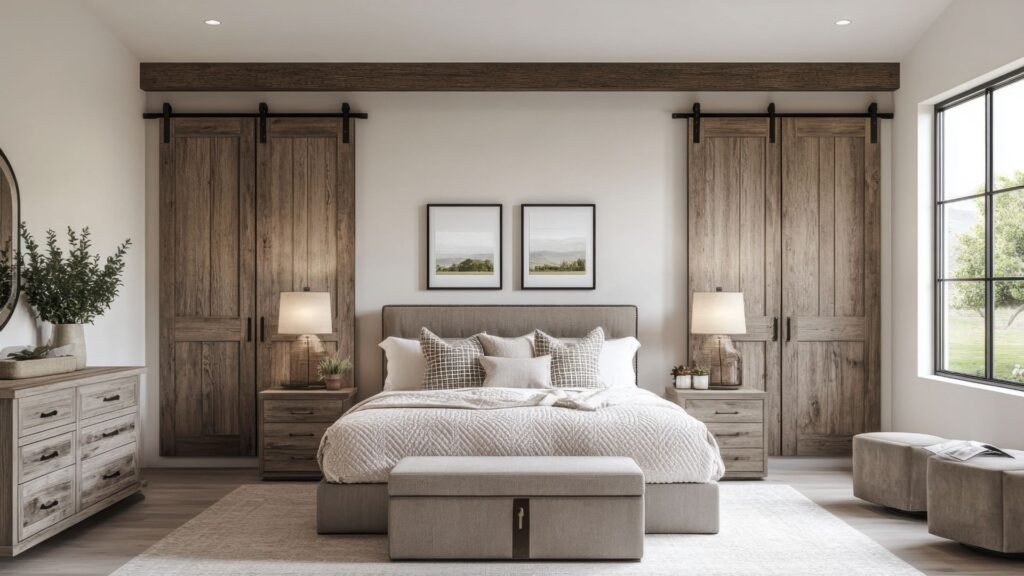
Living in a 400 sq ft tiny house involves more than just looks and design. Legal challenges can turn your tiny home dream into a regulatory headache if you don’t know what to look out for.
Zoning laws and building codes
Tiny houses exist in a tricky legal space because most local rules weren’t made with them in mind. The International Residential Code’s Appendix Q talks about tiny homes under 400 square feet and sets rules for ceiling heights (minimum 6’8″ for living spaces, 6’4″ for bathrooms and kitchens). All the same, rules change a lot depending on where you live. Some counties want permanent foundations while others won’t allow movable tiny homes at all. Local zoning laws need careful research before you start building, since many areas demand minimum square footage that tiny houses can’t match.
Off-grid energy and water systems
Going off-grid gives you freedom, but it needs smart planning. Solar power with battery storage lets you live without utility hookups, and rainwater collection can meet your water needs. You can handle waste with composting toilets that work without water or stick to traditional septic systems. Whatever system you pick, most areas have strict rules about wastewater disposal, so your setup must follow local regulations.
Sustainability and minimalist living
The tiny house movement puts sustainability first by using fewer resources. These homes need less building material and energy to run, which cuts their carbon footprint by a lot. More than that, small spaces make you think twice about what you own—each item needs to be worth its space. So tiny home owners often save money and feel less stressed because they live more simply.
Conclusion
Living in a 400 sq ft tiny house defies traditional housing norms, but this experience rewards those who dare to try it. Smart design can transform these compact spaces into comfortable, functional homes. They feel much larger than their measurements suggest.
Space optimization is the lifeblood of successful tiny house design. Multifunctional furniture, vertical storage, and well-planned layouts create homes that feel spacious despite their small footprints. You can choose a loft bedroom to maximize floor space or opt for a ground-level design that makes accessibility a priority. Your 400 sq ft tiny house adapts to your lifestyle needs.
Natural light is a vital element in creating an airy, open atmosphere. Well-placed windows, skylights, and proper ventilation make these small spaces bright and welcoming. Your home never feels cramped or confined.
The tiny house movement goes beyond a simple housing trend—it shows a fundamental change toward mindful living. My research into these homes shows that downsizing brings unexpected benefits. People feel less financial pressure, reduce their environmental impact, and clear their mental clutter. Many choose tiny homes for different reasons, but they all find freedom in living with less.
Building your dream tiny house needs good planning, especially with local rules and practical systems like water and power. The satisfaction of creating your perfect home while reducing your ecological footprint makes these challenges worth facing.
Small spaces hold big dreams. Your 400 sq ft tiny house might be compact, but thoughtful design gives you everything you need. It proves that less becomes more when you plan it right.