Wood Burning Stove or Space Heater for Your Cabin? Surprising Cost Comparison
The sort of thing I love about choosing a wood burning stove for cabin heating is the surprising number of factors that go beyond just creating a cozy atmosphere. Most wood stoves will set you back $2,000 to $4,000. You’ll need to budget extra for installation and venting too. Keep in mind these costs before making such a big purchase.
Your cabin’s perfect wood stove depends on getting the heating capacity right. The quickest way to calculate your needs is to multiply each square foot by 20 BTUs. A cabin with 1,500 square feet needs a stove that puts out at least 30,000 BTUs. The stove’s size, design, and efficiency all play a role in how happy you’ll be with this time-tested heating method.
This piece stacks up cabin wood stoves against space heaters in all the ways that matter. We’ll look at everything from what you pay upfront to running costs, heat output, environmental effects, and real-world cabin living considerations. You’ll find all the details you need here to pick the right heating solution for your cabin, whether it’s your main heat source or just a backup.
Cost Breakdown: Wood Stove vs Space Heater
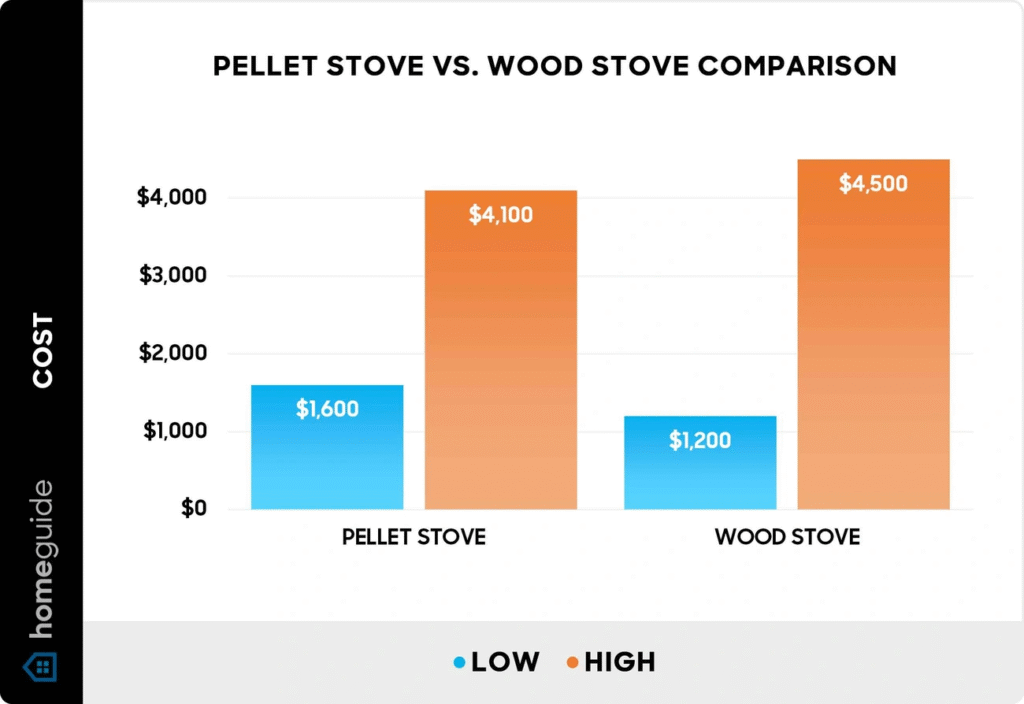
You might be surprised by what you’ll discover when comparing the real costs of wood stoves and space heaters. Let’s look at what you’ll actually pay for each option.
Original purchase cost
Wood burning stove prices can vary by a lot based on size, material quality, and design features. Entry-level wood stoves typically start around $800. Mid-range cabin wood stoves will set you back between $2,000 and $3,000. High-end models with premium materials and larger capacities can cost anywhere from $3,000 to $5,000 or more.
Space heaters are nowhere near as expensive upfront. You can find quality electric space heaters perfect for cabin use for as little as $119. This huge price gap makes space heaters an attractive choice, especially when you have a tight budget or need heat quickly.
Installation and setup expenses
A small wood stove comes with extra costs beyond its price tag. Professional installation labor runs between $250 and $800. Your cabin might need a new chimney which adds $1,500 to $3,500 to the total. You’ll also need permits and inspections that cost another $100 to $500.
Electric space heaters need almost no installation work. Most units just plug into your existing outlets. Some larger 240V units might need an electrician’s help – usually a quick job that costs around $200. This big difference in setup makes space heaters worth thinking over, especially for seasonal cabins.
Fuel or electricity costs over time
Wood burning stoves often save money in the long run despite their higher upfront costs. The U.S. Forest Service reports that firewood costs about $200 to $300 per cord. Most cabins need 3 to 4 cords each heating season. This adds up to about $600 to $1,200 yearly.
Electric space heaters offer convenience but can cost more to run. At average rates of $0.10 per kWh, you might pay around $47 monthly during heating season. A four-month winter adds up to about $188, though colder areas might see bills between $300-$500 per season.
Maintenance and repair costs
Wood stoves need regular care. You’ll pay between $50 and $80 for annual chimney cleaning, and complete inspections cost about $100 yearly. Major repairs don’t happen often but can hit hard – fixing chimney damage might cost up to $5,000.
Space heaters need very little maintenance. Many electric models include warranty coverage for repairs and don’t have complex venting systems to clean. In spite of that, they usually don’t last as long as quality wood stoves.
Full-time cabin owners often save more with wood stoves over five years when adding up all costs, particularly if they have easy access to cheap or free firewood. Weekend cabin users or those who value convenience might find space heaters more practical, even with higher running costs.
Heating Efficiency and Coverage
Choosing between a wood burning stove and an electric space heater for your cabin comes down to heating capacity. The best choice depends on your space size and how much heat you need.
How much space can each option heat?
Wood stoves come in different sizes to heat specific square footage ranges. A small wood stove for cabin use heats less than 500 square feet, making it perfect for tiny cabins or single rooms. Medium-sized models work well for 500-1,000 square feet, while large wood stoves can warm 1,000-2,200 square feet. Extra-large wood stoves are your best bet for spacious cabins over 2,200 square feet.
Here’s a simple guide: a wood stove with 60,000 BTUs can heat a 2,000-square-foot cabin well, and a 42,000 BTU model works great for a 1,300-square-foot space. Some powerful models like the Osburn 3500 pump out 110,000 BTUs and can heat between 1,000-2,700 square feet based on how well your cabin is insulated.
Electric space heaters tell a different story. They usually give off 5,000-5,500 BTUs (for standard 1,500W models), which works for one room but won’t heat your whole cabin. Most people need several units placed around their space to get enough heat.
Performance in extreme cold
Wood stoves really show their worth in bitter cold weather. They keep pumping out steady heat no matter what the temperature is outside, unlike heat pumps that lose their punch as temperatures drop. The stove’s heavy mass keeps radiating heat even after the fire dies down, so you stay cozy through those freezing nights.
The colder it gets, the better wood stoves work. They create a stronger natural draft that helps them burn more efficiently. Lots of cabin owners use wood heat as their main source even in sub-zero temperatures. The key is using well-dried wood and keeping the fire going overnight.
Electric space heaters put out the same heat in cold weather but have a hard time when there’s a big difference between indoor and outdoor temperatures. Their limited BTU output makes them better as backup heaters when temperatures drop below freezing.
Zone heating vs whole cabin heating
You can save a lot of energy by heating only the spaces you’re using instead of the whole cabin. Wood stoves are great at this – they create a warm gathering space while letting other areas stay cooler.
Space heaters are perfect for zone heating because you can point the heat right where you need it. This works really well in cabins where you’re not using all the rooms at once. You can cut down your energy use quite a bit compared to keeping every room the same temperature.
Heating your whole cabin is more convenient but uses more energy since you’re heating empty rooms too. Wood furnaces work differently from regular stoves – they connect to ductwork like central heating systems and spread heat evenly through your cabin. These make sense for bigger cabins where you want the same temperature everywhere.
Your final choice depends on your cabin’s size, how you use it, and whether you care more about even temperatures or saving energy.
Environmental and Energy Considerations
Your cabin heating choice affects the environment just as much as your wallet and energy bills. Wood burning stoves and electric space heaters leave different marks on our planet. This makes the comparison vital for cabin owners who care about the environment.
Carbon footprint of each option
Wood burning stoves are used in only 10% of homes. Yet they create more than half of fine particulate pollution in some areas. A typical wood stove puts out way more particulate matter than modern trucks or other heating options. Wood heaters release more greenhouse gasses than reverse-cycle air conditioning or gas heating.
Electric space heaters often leave a smaller carbon footprint, especially when they run on renewable electricity. Their effect on the environment changes based on your local power grid. Cabin owners with solar panels can run electric heaters with almost no carbon impact. This is a big deal as it means that they’re cleaner than any heating that uses combustion.
Renewable vs non-renewable energy sources
Wood counts as a renewable resource, but its eco-friendly status depends on how it’s harvested. Almost 50% of timber harvested worldwide ends up as fuel for burning. Wood burning releases more carbon dioxide, methane, and nitrous oxide than coal, oil, or natural gas.
Trees in mature forests absorb way more carbon than young trees. When we harvest wood, we reduce these forests’ ability to trap carbon. Stopping wood burning and forest clearing for heating could cut Australia’s yearly greenhouse emissions by 8.7 million tons.
Electric heating gets greener as power companies add more solar and wind power. Off-grid cabins with solar-powered electric heating offer the most eco-friendly option. This beats wood heating by far when it comes to reducing emissions.
EPA certification and emissions
The EPA now has tough rules for new wood burning stoves to cut down their environmental impact. Since 2020, all new wood stoves must stay under these limits:
- 2.0 grams of particulate matter per hour (if tested with crib wood)
- 2.5 grams per hour (if tested with cord wood)
Before these rules, old wood stoves would pump out over 1,000g of PM2.5 per gigajoule of energy. Even EPA-certified models today create more pollution than oil, gas, or electric heat pumps. These other methods release less than 10g of PM2.5 per gigajoule.
Modern wood stoves for cabins now come with better combustion technology that burns wood more fully. Electric heating powered by renewable energy remains the most eco-friendly choice because it creates no combustion emissions. If you love wood heating, pick an EPA-certified small wood stove for your cabin. This helps protect the environment while you enjoy that cozy wood fire feeling.
Practicality and Lifestyle Fit
The right heating option for your cabin depends on how it fits into your daily lifestyle. Let’s get into how different heating choices can affect your routine and comfort level.
Ease of use and daily operation
Wood stoves just need more hands-on attention. You’ll have to stock up enough firewood for the season and store it properly. Good airflow and keeping the wood dry are essential. Your daily tasks will include loading wood, tending the fire, and cleaning out ashes. The good news is that modern wood stoves come with helpful features. The Automatic Combustion Control makes things easier – you can “set it and forget it” once the fire’s going.
Electric space heaters are incredibly simple to use. You plug them in, adjust the settings, and that’s it. There’s no wood to chop, no ashes to clean, and no chimney to maintain. This simplicity makes them perfect for people who use their cabins occasionally or want hassle-free heating.
Safety concerns and precautions
Each option brings its own safety challenges. Space heaters cause about 1,700 fires yearly, with roughly 70 deaths. The core team safety rules include:
- A three-foot space from anything that could burn
- No extension cords or power strips
- Heaters must be off during sleep
Wood stoves need constant watchfulness too. Keep flammable items at least 3 feet away, dispose of ashes in metal containers, and get professional chimney inspections yearly.
Noise levels and ambiance
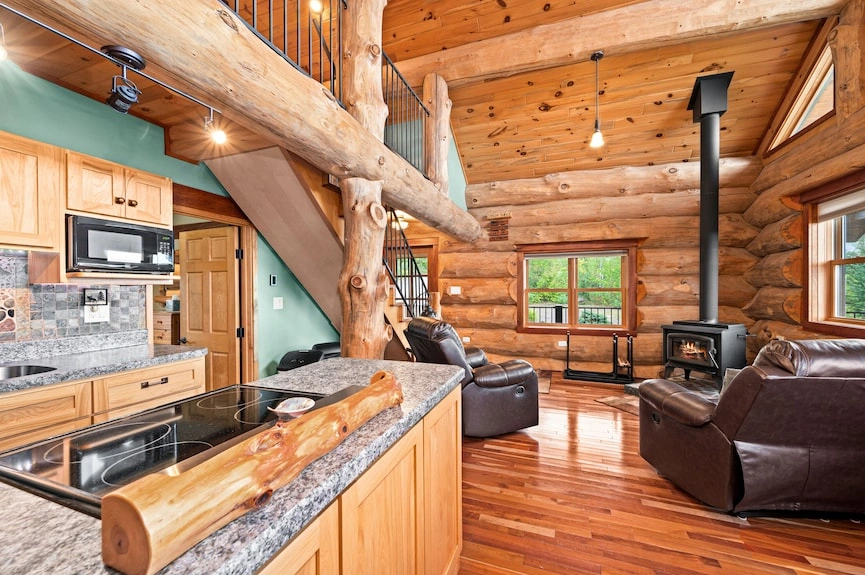
Electric fireplaces run quietly at 30-40 decibels on low settings – about as loud as a quiet library. At high settings, they reach 50-60 decibels, similar to normal conversation. Wood stoves create natural crackling sounds that many people find relaxing, and nothing beats their cozy visual appeal.
Best fit for off-grid cabins
Wood stoves really shine in off-grid settings. They work reliably without power, even in the coldest weather, and give you complete freedom from the grid in remote spots. Electric options work great in solar-powered cabins, but you’ll need battery backup at night. A small wood burning stove often becomes the most practical main heat source in extreme climates or truly remote locations. Many cabin owners add electric options as backup for more flexibility.
When to Choose a Wood Stove or Space Heater
The best heating solution for your cabin depends on its specific needs. I tested several options and learned which heating types work best in different situations.
Best wood stove for large cabins
Large cabins with more than 1,000 square feet need powerful wood stoves. The Quadra-Fire Discovery III and 4300 Millennium are excellent choices that heat between 1,100 to 3,000 square feet effectively. These strong models come with advanced Four-Point Burn Systems and Automatic Combustion Control technology to maximize your firewood’s heat output. Premium wood stoves from Vermont Castings are a great way to get better performance with their catalytic combustors. These combustors use platinum or palladium coating that reduces gas ignition temperatures from 1,100°F to as low as 500°F, which creates cleaner burns that last longer.
Small wood stove for cabin use
Smaller cabins under 500 square feet need compact wood burning stoves that fit their limited space. To name just one example, the Drolet Escape 1200 works great for tiny cabins and costs less at around $1,019. Some manufacturers make specialized mini stoves available for RVs, vans, and hunting cabins that give you efficient heat without taking up too much space.
Electric space heaters shine
Electric space heaters are your best bet if you use your cabin seasonally or occasionally. A Minnesota couple found that there was a better solution after trying different options for their winter cottage. Electric baseboards kept their space warm even at -17°F outdoors. Space heaters mean no more “getting up in the middle of the night to stoke the fire”. This makes them perfect for people who want convenience or have trouble moving around.
Hybrid heating setups
The most reliable solution often comes from using multiple heating sources, especially when you have an off-grid or remote cabin. Many owners successfully use both wood stoves and wall-mounted propane furnaces with thermostats to control temperature. You can get maximum comfort by installing indoor wood-fired furnaces in adjacent structures. These heat water for radiant floor systems and provide hot water for daily use. This comprehensive approach gives you backup options during extreme weather that might overwhelm a single heating method.
Conclusion
Your cabin’s unique situation and personal priorities will determine the best choice between a wood burning stove and a space heater. Wood stoves definitely provide better heating power and long-term value, especially when you have larger cabins or full-time homes. All the same, occasional cabin users might find them less practical due to high initial costs and upkeep needs.
Space heaters excel in convenience and affordability, which makes them perfect for seasonal cabins or smaller spaces. The operating costs add up over time, but many cabin owners love their simple setup and minimal maintenance requirements.
Your decision should include environmental impact too. Wood is a renewable resource, but even EPA-certified stoves create more emissions by a lot compared to electric options powered by clean energy. Environmentally conscious cabin owners might prefer electric alternatives, particularly when they can connect to renewable power sources.
Many cabin owners ended up finding that mixing both options works best after looking at all aspects. A small wood stove as the main heat source plus strategically placed space heaters gives you both the cozy feel of a fire and quick warmth when you need it. This setup helps during extreme weather and keeps your whole cabin comfortable.
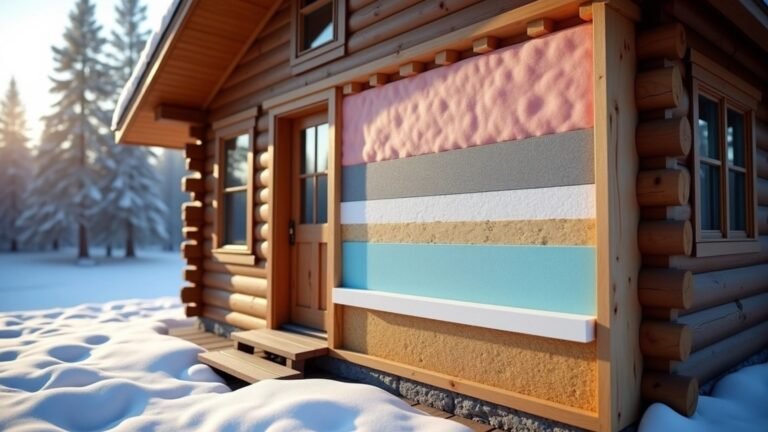
Finding the right heating solution is about matching tradition with what works. My experience shows that knowing your specific needs – cabin size, how often you use it, budget limits, and environmental values – guides you to the best heating choice. Whatever option you pick, good insulation and weatherproofing will boost efficiency and comfort while cutting long-term costs.