Hidden Costs of Cabin Construction: What Builders Often Forget to Budget
Building a cabin — whether as a weekend retreat, a primary residence, or a rental income property — is a dream for many. Rustic charm, nature escapes, and the promise of peaceful living make cabin ownership incredibly appealing. But beyond idyllic Pinterest boards and cabin plans lies a reality that can quickly impact your budget: hidden costs. Many builders focus solely on the price of materials and the basic build, only to be blindsided by expenses that stack up fast if not accounted for early.
In this post, we’ll walk through the most common hidden costs of cabin construction — what they are, why they matter, and how you can plan for them so your project stays on track financially.
1. Site Preparation: More Than Just Land Clearing
When you hear “site costs,” it might bring to mind a quick clearing of trees or shrubs — but that’s just the beginning. Site preparation often includes:
- Land clearing and grading: Removing trees, brush, stumps, and leveling the ground.
- Soil stabilization and drainage: Especially important on sloped or wet lots.
- Access roads: If your plot is in a remote area, creating or upgrading an access route for delivery trucks and equipment can cost thousands.
Site prep can range from a few thousand dollars to $10,000+ depending on terrain, density of vegetation, and soil type. Building on rocky, steep, or water-logged land amplifies these costs — and often unexpectedly so.
Pro tip: Order a soil test before finalizing your budget. Learning early whether your site needs major grading or special foundations will save money and delays.
2. Permits, Inspections, and Compliance Fees
Cabins aren’t exempt from local building regulations. Most jurisdictions require:
- Building permits
- Mechanical, electrical, and plumbing permits
- Periodic inspections throughout the construction process
Permit costs vary by location and project size but often land between $500–$2,500+.
Failing to obtain proper permits can lead to fines, forced removal of work, and major setbacks. Even if your area is rural or feels “off the grid,” double-check with county and local authorities — regulations differ widely.
Pro tip: Include permit costs explicitly in your budget, and build a compliance timeline into your schedule.
3. Utility Connections & Systems: Not Always “Free”
Bringing utilities to your cabin is often one of the biggest overlooked expenses. Remote lots, in particular, make the traditional idea of “getting power and water” considerably more complex and expensive.
Electricity
Running power lines from the nearest grid connection can cost thousands — and that’s before installing your internal electrical system.
Water Source
If public water isn’t available, you’ll need a well, typically drilled at $25–$65 per foot of depth, and that can add up quickly depending on geology.
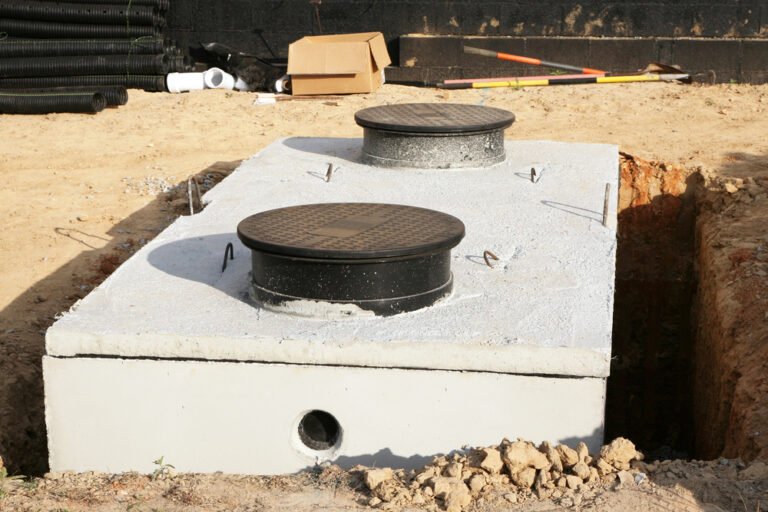
Sewage & Septic Systems
Installing a septic system often costs several thousand dollars depending on soil conditions and tank size.
These costs are often not included in developers’ initial estimates but can significantly affect your bottom line.
4. Foundation and Structural Surprises
A strong, code-compliant foundation is critical, especially in areas with frost, slope, or unstable soil. Options like:
- Concrete slab foundations
- Pier and beam systems
- Walkout basements
…all come with vastly different price tags. A simple slab might be modest, but if the land requires deep footings, retaining walls, or extra reinforcement, your foundation costs can quickly escalate.
Pro tip: Budget extra for engineering fees — structural engineers provide plans that help avoid costly mistakes and ensure long-term durability.
5. Design, Engineering, and Architect Fees
Many builders underestimate the cost of professional design and engineering services. A cabin might look simple on paper, but custom designs, unique site conditions, or third-party reviews all come with fees. These often include:
- Architectural design (typically 5–15% of total project cost)
- Engineering reviews
- Structural consultations
Professional design input early in the process often leads to smarter construction choices — and money saved later — but it must be part of the budget.
6. Labor Cost Fluctuations and Delays
Many estimates assume labor costs will stay steady — but the reality is volatile. A cabin built over a longer timeframe than planned can increase:
- Labor rates due to seasonal demand
- Contractor overtime
- Project management fees
Remote locations also carry premiums, as builders charge more for travel, time, and logistics. Always plan for labor cost variability — it’s rarely a fixed number.
7. Material Price Increases
Over the past several years, building material prices have become less predictable. Lumber, finishes, insulation, and specialty materials can fluctuate. What seemed affordable in a quote can jump within weeks due to supply chain changes, tariffs, or regional shortages.
And while basic materials may be accounted for, higher-grade or specialty materials — like cedar logs, custom windows, or energy-efficient products — often add unexpected budget pressure.
8. Interior Finishing and Appliances
This is where budgets balloon quickly. A builder might quote you a “ready-to-finish shell,” but that doesn’t include:
- Flooring and cabinetry
- Kitchen appliances
- Interior doors and trims
- Bathroom fixtures and finishes
These interior elements can often equal or exceed the cost of structural components — and are frequently left off estimates.
9. Outdoor Features and Landscaping
Porches, decks, driveways, retaining walls, walkways, and landscaping are often not included in construction quotes — yet they dramatically affect your total project cost and usability.
While you can add them later, doing so piecemeal is usually more expensive than bundling them into a single contractor’s scope at the start.
10. Contingency Costs — The Most Important Line Item
Perhaps the most critical “hidden” cost is essentially the lack of a contingency fund. Even with the best planning, unexpected conditions arise — bad weather, supply delays, code changes, or unforeseen site issues.
Most builders recommend setting aside 10–15% (or more) of your total construction budget as contingency.
This isn’t money you expect to spend — it’s what protects you when reality diverges from your plan.
Wrap-Up: Why Hidden Costs Matter
At first glance, cabin construction might look simple — wood, nails, and a beautiful setting. But each stage of the build brings layers of costs that add up fast. Understanding and budgeting for these often-forgotten expenses helps you:
- Avoid budget overruns
- Reduce stress during construction
- Build a cabin that’s safe, legal, and built to last
A well-planned project weighs not just what you’ll pay, but what you might miss if you don’t plan carefully. When in doubt, add a line item — and then another contingency — because unplanned expenses are the norm, not the exception.
Ready to Build? Next Steps
If you’re budgeting for your cabin now, start with a detailed spreadsheet. Include:
✔ Land and site prep
✔ Permits and design fees
✔ Utilities and connections
✔ Foundation
✔ Major structural components
✔ Interior finishes
✔ Outdoor features
✔ Contingency fund (10–15%+)
And don’t skip talking with professionals — early estimates from architects, engineers, and builders help expose costs before you sign on the dotted line.