Cabin Floor Plans That Work: Smart Design Ideas for Small Spaces
Looking to create the perfect cabin floor plans for your nature getaway? You’re not alone. These days, hundreds of free house plans are available right at your fingertips. Finding your dream cabin design has never been easier.
The good news about small cabin floor plans? These cozy layouts work best to help you relax and enjoy nature at its finest. Cabin blueprints must strike the right balance between comfort and practicality. This becomes even more crucial with limited square footage. Small cabin layouts need smart design choices that make every inch count while creating a welcoming space. The smallest details can make the most important difference in how your retreat works.
This piece walks you through clever design ideas that help small cabins feel spacious and functional. We’ll show you how to maximize your cabin’s potential with smart storage solutions and multi-purpose areas. Your cabin can work perfectly, regardless of its size.
Smart Layouts That Maximize Every Inch
Small cabin layouts need strategic thinking to create functional spaces in limited square footage. Smart cabin designs rely on three key approaches that make compact spaces feel bigger and more livable.
Open floor plans for better flow
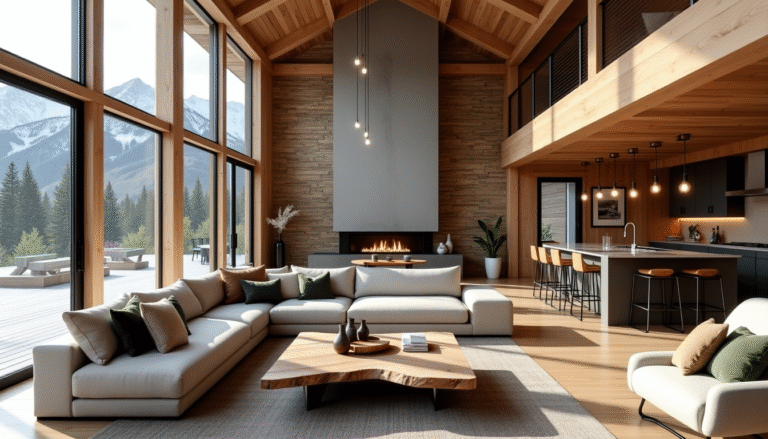
Smart cabin design starts with an open concept layout. Small cabins feel more spacious and welcoming when you remove unnecessary walls between main living areas. This design choice does more than create visual space—it changes how people connect inside the cabin.
Natural light flows freely throughout open floor plans, which brightens every corner and creates an airy feel. This design prevents the boxed-in feeling you get with traditional room layouts. Open layouts bring practical benefits:
- Better movement through the space
- More social interaction during gatherings
- Flexible furniture arrangement options
- Better natural ventilation and light distribution
Most modern cabin blueprints now include this approach, showing how unobstructed space makes small cabins more comfortable.
Lofted sleeping areas to save space
Compact cabin floor plans make vertical space incredibly valuable. Lofted sleeping areas show one of the smartest ways to use this dimension. The main floor stays open for daytime activities when you raise beds above the living area.
A well-designed loft creates a cozy retreat within your getaway. Cabin designers suggest using space-efficient ladders or staircases to access these areas, and each option has its benefits. You get easier access with stairways but they take up more room, while ladders leave more usable floor space below.
Smart window placement in these raised spaces keeps them airy and prevents them from feeling cramped. Lofts work great as reading nooks, storage areas, or private relaxation spots beyond just sleeping.
Combining kitchen, dining, and living zones
Small cabin designs need spaces that serve multiple purposes. The kitchen, dining, and living areas work best as one cohesive space that supports different activities without wasting valuable square footage.
Combined spaces make entertaining more enjoyable. The cook stays part of the conversation during meal prep instead of being isolated. Using matching flooring, complementary colors, and similar lighting fixtures creates visual harmony that makes the space feel purposeful rather than tight.
Islands or peninsulas naturally divide different areas without needing walls. Careful furniture placement creates distinct zones while keeping the benefits of an open layout.
Design Features That Add Functionality
Smart layouts combined with strategic design features make small cabin floor plans more functional. These thoughtful elements help turn compact spaces into efficient living environments.
Built-in storage under stairs and beds
Small cabin layouts work best when they use every bit of space. The area under stairs offers great storage potential, especially when you have split-level homes. Smart designers split this space into different height sections to fit various items – making it perfect for storing bulky toys, outdoor gear, or seasonal items.
The space around and under beds can store lots of things too. In very small cabins (even those just 100 square feet), the space under beds becomes the main storage area. Modern cabin plans often include beds with hydraulic lifts or built-in drawers that let you use the whole mattress area for storage. This keeps your things hidden but easy to reach.
Multi-use furniture for small cabins
Furniture that serves multiple purposes is vital for functional cabin floor plans. Quality multipurpose pieces might cost more at first but provide great value through their versatility.
Some creative examples include:
- Coffee tables that become dining surfaces with hidden seating
- Ottomans that store blankets and off-season items inside
- Sofas that turn into guest beds
- The “Swiss” solution—everything fits within a bed’s footprint
These smart designs eliminate the need for extra furniture and save precious floor space in small cabin layouts.
Sliding doors and foldable walls
Regular swinging doors take up valuable space in compact cabin designs. Pocket doors that slide into walls instantly free up more room. Sliding or folding wall systems work great for larger openings and offer amazing flexibility.
These movable walls let spaces change based on what you need—you can create a private guest area in a studio layout or make different zones for various activities. They also let light flow through the interior, which makes small cabin floor plans feel bigger than they really are.
Real Cabin Floor Plans That Inspire
Creative cabin designs show us amazing ways to solve space challenges and maximize comfort. Here are some real-life examples that make the most of limited space.
Minimalist ski cabin with 4 bedrooms in 1600 sq ft
A design that fits four bedrooms into 1600 square feet might sound impossible. Architects have become skilled at this challenge through smart space planning. One amazing example takes its cues from boat design—where every inch counts. This smart approach makes the cabin feel bigger than its actual size suggests.
Architects often use Frank Lloyd Wright’s compression and release principle to make spaces feel larger. This design approach contrasts snug corridors with vaulted-ceiling rooms. The dramatic effect makes small areas feel more open. Families can enjoy their ski retreat without the burden of extra square footage or high maintenance costs.
Modular cabin on Madeline Island
The Settler modular cabin stands out with its amazing flexibility. It supports up to four bedrooms and two bathrooms. The design’s appeal lies in its adaptability—owners can adjust the floor plan to create bigger master bedrooms or add bathrooms when needed.
You’ll find stained log siding, insulated windows with poly baton shutters, and a six-foot porch with log railing. The cabin’s large open areas are perfect for entertaining guests. This design proves that small cabins can host great social gatherings.
Compact lakeside retreat with wraparound deck
Lake cabin designs create beautiful indoor-outdoor connections. These plans range from 320 to 988 square feet but still offer one or two bedrooms. They extend living space beyond walls through wraparound porches, decks, and patios.
The interior layouts blend living room, dining area, and kitchen into one space. High vaulted ceilings with exposed beams make these spaces feel much bigger. This design trick improves the sense of volume in cabins under 1,000 square feet.
Floating cabin with panoramic views
Floating structures with 360-degree water views represent the peak of cabin design innovation. These unique homes create peaceful retreats with large windows that capture ever-changing views. These designs anchor their interior spaces around central features like stone hearths.
Beautiful wood surfaces inside create a warm, welcoming atmosphere that matches the surrounding nature. These cabins prove that small floor plans work well even in unusual locations. They float gently on lakes or rivers while offering all the comforts you’d expect in a traditional home.
Tips for Customizing Small Cabin Floor Plans
Your dream retreat starts when you learn how to personalize cabin floor plans that match your needs and location. The right changes transform a basic structure into a perfect getaway that works for you.
Choosing the right cabin blueprints
Before you lock in your cabin blueprints, here are the key factors that shape how happy you’ll be with your design:
- Square footage requirements based on how many people will typically stay at once
- Purpose of the cabin (weekend getaway vs. potential retirement home)
- Budget constraints that might affect size and features
- Personal style priorities (rustic log cabin vs. modern design)
Most cabin plans adapt well to specific needs—you can adjust room sizes, add windows, or change roof styles. Stock blueprints are budget-friendly and usually cost under a hundred dollars. Custom designs from architects can get pricey and might run several thousand dollars.
Working with architects for small cabin layouts
Having an architect on your small cabin project brings expertise that’s worth the investment. We focused mainly on maximizing functionality in tight spaces, which helps you do more with less square footage.
Architects are great at crafting designs that fit your lifestyle and site conditions perfectly. They do more than draw plans—they help avoid expensive mistakes by checking all possible options. Their fees usually run 5-15% of construction costs, with higher rates including extra help during construction.
Adapting plans to your land and climate
Your cabin’s location should guide many design elements. Cabins in snowy regions need different structural features than those in warmer areas. Your building site’s unique features—whether it’s narrow, sloping, or by the water—should shape your floor plan choices.
To protect against changing weather patterns, think about designs and materials engineered to handle extreme conditions. Some new wall-forming products shield against severe storms and natural disasters.
The best cabin designs work with nature instead of fighting it, and they help you connect with the surrounding beauty.
Conclusion
You don’t need to sacrifice style or livability to create a functional, comfortable cabin in a small space. Smart cabin floor plans show that good design matters more than square footage. Open floor plans, lofted sleeping areas, and multi-purpose zones that combine kitchen, dining, and living spaces naturally make the most of limited area.
Smart storage solutions turn unused spaces under stairs and beds into valuable storage for essentials. Furniture pieces that serve multiple purposes eliminate the need for extra items that could crowd your cabin. Space-saving features like sliding doors and foldable walls create more floor space while keeping your layout flexible.
Real-life examples showcase these ideas perfectly. Minimalist ski cabins pack four bedrooms into 1600 square feet, while floating structures offer panoramic views. These success stories highlight what designers can achieve when they think creatively about space limits.
Your dream cabin begins with the right blueprints that match your needs and priorities. Architects who specialize in small spaces might cost more up front, but their customized solutions are worth the investment. Your cabin’s beauty and practicality depend on how well your plans work with your land and climate.
Small cabin living lets you focus on what matters most – nature, quality time with family, and a simpler life. These well-designed spaces feel spacious and inviting despite their size. Smart design trumps square footage when it comes to creating your perfect retreat, ready for making memories.