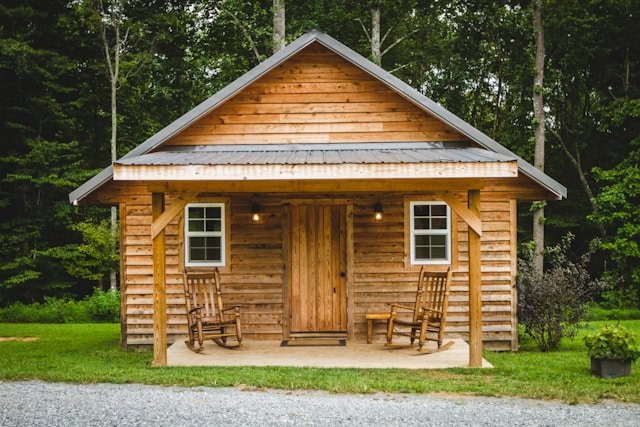
How Tariffs and Lumber Prices Are Reshaping Cabin Building Costs in 2026
If you’ve been dreaming of building a log cabin this year, here’s something you need to know before you pour a single concrete footing: 2026 is shaping up to be one of the most unpredictable years in recent memory for construction costs — and that uncertainty cuts both ways for prospective cabin builders.
Tariffs on Canadian lumber, fluctuating interest rates, and a still-tight labor market are creating a perfect storm of cost pressures that anyone planning a cabin build needs to account for. But there are also real opportunities for buyers who know where to look. Here’s a clear-eyed breakdown of what’s happening, what it means for your budget, and how to protect yourself.
The Lumber Situation: Why It Matters More for Cabins Than Almost Any Other Build
For most residential construction projects, lumber is a significant cost — typically 15 to 20 percent of total materials. For a log cabin, that figure can climb to 30 to 40 percent or more, depending on the log type and construction method. That’s why swings in the lumber market hit cabin builders harder than they hit people building a conventional stick-frame home.
Softwood lumber prices, which had finally stabilized after the wild volatility of 2021 through 2023, are under fresh pressure in 2026. The U.S. Commerce Department has maintained and in some cases increased duties on Canadian softwood lumber imports, which supply a large share of the American market. Canada accounts for roughly 25 to 30 percent of U.S. lumber consumption, and tariff rates on those imports have hovered above 14 percent — a meaningful added cost that ripples through the supply chain and lands, ultimately, on builders.
What does this mean in practice? If you were quoted $60,000 for logs and framing on an 800-square-foot cabin in 2024, a comparable project today could run anywhere from $65,000 to $75,000 depending on the species, the supplier, and how much of their stock was purchased before tariff hikes took effect. That’s not a small difference.
Interest Rates: The Hidden Cost Nobody Puts on Their Spreadsheet
Construction loans for cabin projects operate differently from standard mortgages, and the rate environment matters enormously. In early 2026, the Federal Reserve has been cautious about cutting rates aggressively, keeping benchmark rates elevated compared to the historic lows of the early 2020s.
For a cabin builder financing a $200,000 project through a construction-to-permanent loan at today’s rates, the difference between a 6.5 percent rate and a 7.5 percent rate translates to roughly $120 to $140 more per month on a 30-year mortgage — or roughly $43,000 in additional interest over the life of the loan. That’s a substantial number, and it’s one most cost calculators don’t highlight loudly enough.
The practical upshot: if you’re planning to finance your build, locking in your rate as early as possible in the construction process is more important than it’s been in years. Some construction lenders will allow a rate lock at the time of application rather than at closing — that option is worth paying a small premium for right now.
Labor: Still Tight, But Regional Variation Is Huge
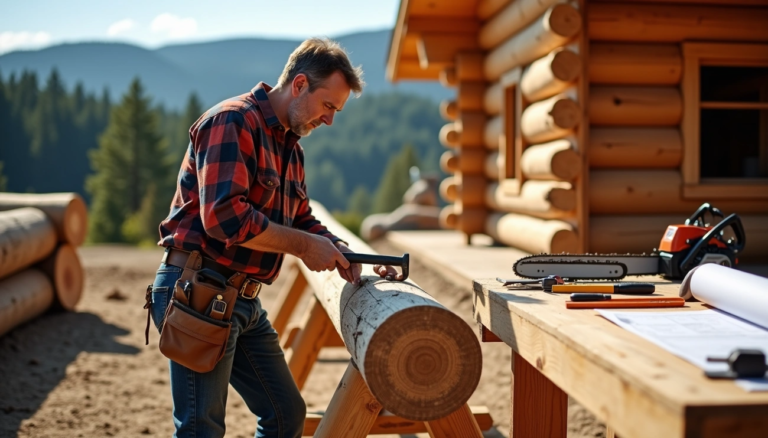
The skilled trades shortage hasn’t gone away. Log cabin construction requires craftspeople — specifically, builders familiar with settling, chinking, and the particular challenges of working with massive timbers. That kind of expertise doesn’t scale quickly, and in many markets, the wait for a qualified log home builder or contractor experienced with timber-frame work stretches six to twelve months out.
In mountain and rural markets where cabin building is concentrated — the Appalachians, the Rockies, the Ozarks, the upper Midwest lake country — labor rates for specialized cabin work have risen 15 to 25 percent over the past two years. In some areas, the labor component of a professionally built cabin now accounts for closer to 50 percent of total cost, rather than the 35 to 45 percent that was typical in the previous decade.
That said, regional variation is significant. Parts of the Southeast, particularly in western North Carolina, Tennessee, and northern Georgia, still have more competitive labor markets for cabin construction than the mountain West. If you have flexibility on location, it’s worth getting bids from contractors in multiple regions — the price difference can be substantial enough to justify adjusting your land search.
The Case for Kits (And Why It’s Stronger Than Ever)
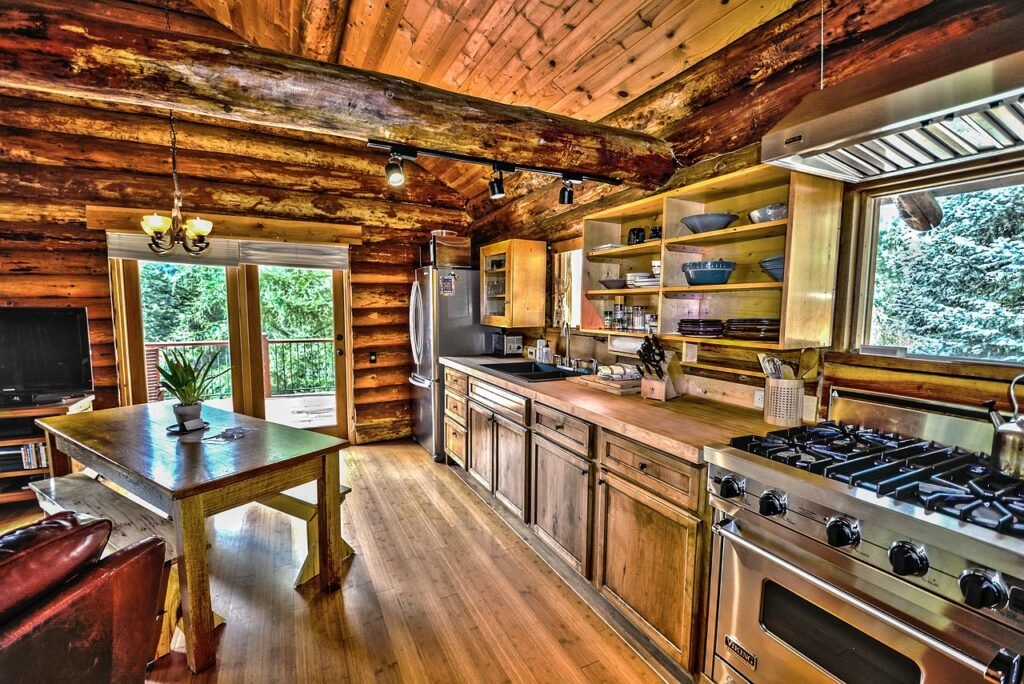
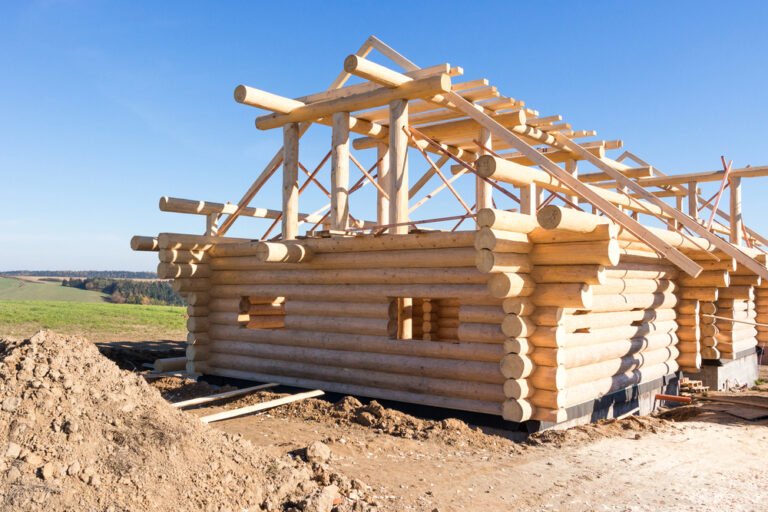
Given all of the above, log cabin kits are having a genuine moment, and not without good reason. A reputable kit manufacturer pre-purchases lumber in volume, often hedging against price swings in ways an individual builder simply cannot. Kits also dramatically reduce on-site labor time, since logs arrive pre-cut, pre-numbered, and ready to stack.
For a 600 to 800 square foot kit from a quality supplier, you’re typically looking at $35,000 to $65,000 for the materials package — a figure that has held more stable than custom log prices, precisely because kit manufacturers can absorb lumber cost volatility more effectively.
The caveats are real: you’ll still need to budget for site prep, foundation work, utility hookups, interior finishing, and either professional assembly labor or a serious personal time commitment if you’re going the DIY route. A kit’s sticker price is not the all-in price. But as a percentage of total project cost, kits still represent meaningful savings over custom builds, and that gap has widened slightly in the current environment.
Off-Grid Systems: Where Costs Are Actually Falling
Here’s a piece of legitimately good news for cabin builders: the cost of off-grid power systems continues to drop steadily, even as other construction costs rise.
Solar panel prices have declined substantially over the past five years, and battery storage systems — particularly lithium iron phosphate (LiFePO4) batteries, which are better suited to the temperature swings that off-grid cabins experience — have become both more affordable and more capable. A system that might have cost $25,000 to $35,000 five years ago can often be assembled today for $15,000 to $22,000, particularly if you’re doing the installation yourself or working with a small local solar contractor rather than a large national installer.
Propane systems for heating and cooking remain cost-stable, and composting toilet technology has improved markedly. For remote cabin builds where running a septic system would require expensive soil work or long drain field runs, a composting system paired with a simple greywater setup is increasingly the practical and economical choice.
Practical Planning Advice for 2026
Given everything above, here are the most important things to keep in mind as you plan your build this year.
Get multiple bids, and get them in writing with material cost escalation clauses. In a volatile materials environment, a contractor who quotes you a firm price without protecting themselves against lumber price increases may be underbidding deliberately or may hit you with change orders mid-project. Understand how your contract handles material cost escalation before you sign.
Start with a realistic contingency. The standard advice is to budget a 10 to 15 percent contingency on top of your estimated project cost. In the current environment, 15 to 20 percent is more prudent, particularly for remote builds where unexpected site conditions — poor soil, high groundwater, difficult access — can add costs quickly.
Consider a phased build. One of the advantages of cabin construction over a primary home build is that you can often move into a livable structure and finish non-essential elements over time. Building a weather-tight shell with functional utilities and basic interior finish, then adding a loft, a wraparound porch, or a second outbuilding later, can spread costs over time and let you pause if materials prices spike in the middle of your project.
Lock in your land first, and understand the full cost of developing it. The purchase price of raw land is often the most visible number, but site development costs — clearing, road building, well drilling, septic or composting system installation — can easily add $30,000 to $80,000 to a remote build. Before you fall in love with a piece of property, spend a few hundred dollars on a site assessment to understand what you’re actually buying.
Use your time wisely during the planning phase. If you’re 12 to 18 months out from breaking ground, this is the ideal time to research kit manufacturers, visit model cabins, talk to contractors, and refine your floor plan. Decisions made on paper are free. Decisions made mid-construction are expensive.
The Bottom Line
Building a cabin in 2026 is neither impossible nor unusually cheap. It requires clear eyes about the current cost environment and smart planning to protect your budget from the volatility that’s affecting the whole construction market. Lumber tariffs, labor scarcity, and elevated financing costs are real headwinds — but off-grid system costs are improving, kit options are strong, and regional opportunities exist for buyers willing to look broadly.
Use our Cabin Construction Cost Estimator to build out a realistic baseline for your project, and adjust for your specific location, quality level, and DIY labor plans. It won’t give you a contractor-ready quote, but it will give you a solid foundation for every conversation you have with suppliers, lenders, and builders — and in a market this unpredictable, going in informed is the most important thing you can do.
Have questions about what’s driving costs in your specific region? Drop a comment below or reach out through our contact page — we read every message.