
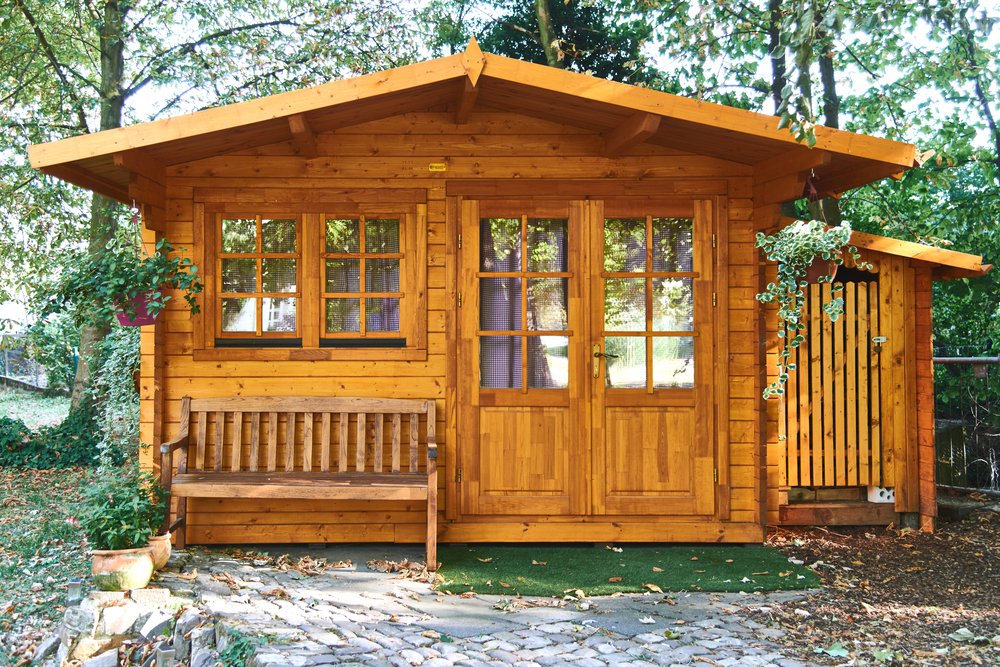
Prefab vs. DIY Cabins: Which Route Actually Saves You Time and Money?
If you’re dreaming of building a cabin, one of the very first decisions you’ll face is how to build it. Do you go the prefab cabin route, ordering a factory-built or kit-based structure that’s assembled on your land? Or do you take the DIY approach, sourcing materials yourself and building from the ground up?
At first glance, the answer might seem obvious. Prefab cabins promise speed and simplicity. DIY cabins promise control and potential savings. But when you look beyond the marketing claims and Pinterest-perfect photos, the reality is more nuanced.
In this guide, we’ll break down time, money, risk, and flexibility to help you decide which option actually makes sense for your cabin project.
What Counts as “Prefab” vs. “DIY”?
Before comparing costs, it’s important to clarify definitions — because these terms get used loosely.
Prefab Cabins
Prefab cabins generally fall into three categories:
- Cabin kits (pre-cut lumber or log kits shipped to your site)
- Panelized cabins (walls and roof panels built in a factory)
- Modular cabins (entire sections built off-site and assembled on location)
In all cases, much of the structure is prepared ahead of time, reducing on-site labor.
DIY Cabins
DIY cabins typically mean:
- You design or select plans independently
- You source materials locally
- Construction is done by you, a small crew, or a mix of DIY and hired trades
DIY doesn’t necessarily mean zero help — most DIY builders still hire electricians, plumbers, or concrete contractors.
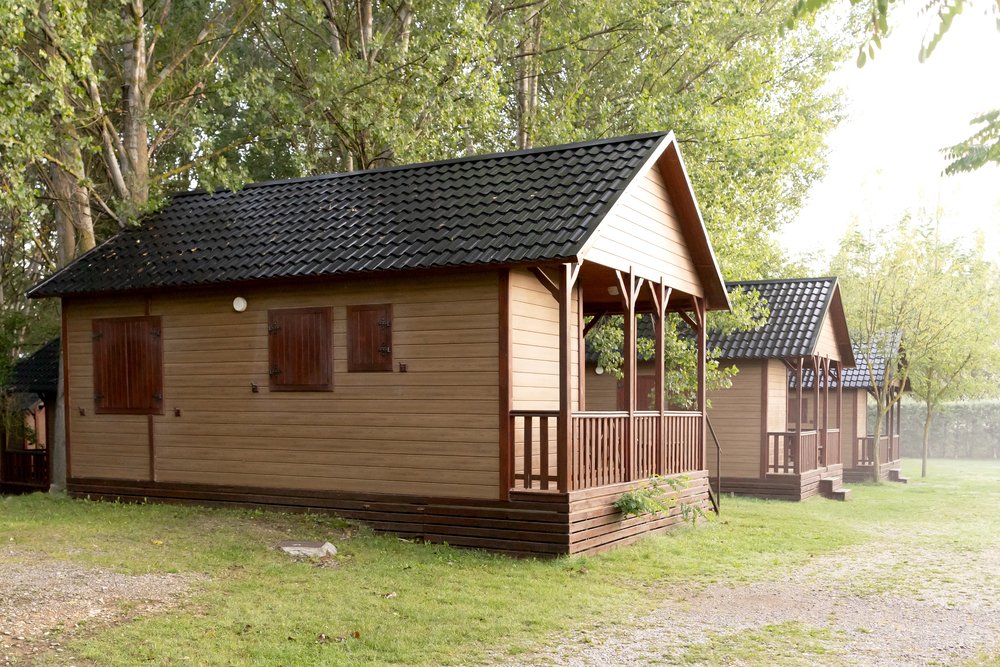
Upfront Costs: Which Looks Cheaper on Paper?
Prefab: Higher Sticker Price, Clear Scope
Prefab cabins often look expensive at first glance. The package price might include:
- Structural materials
- Pre-engineered plans
- Factory labor
- Some level of technical support
However, prefab pricing is usually transparent. You know early what you’re paying for the structure itself.
What’s often not included:
- Site prep
- Foundation
- Utility hookups
- Permits
- Interior finishes
- Transportation and crane fees
DIY: Lower Entry Cost, Fuzzier Total
DIY cabins can appear cheaper initially because:
- You buy materials incrementally
- You avoid factory labor markups
- You can reuse or source discounted materials
The challenge is that DIY costs are harder to predict. Small overruns add up:
- Extra lumber runs
- Tool purchases
- Mistakes and rework
- Extended timelines
Bottom line: DIY often starts cheaper, but prefab is usually easier to budget accurately.
Time Investment: The Biggest Difference
Prefab Cabins: Speed Is the Main Advantage
Prefab cabins shine when time matters. Factory construction and pre-cut components can reduce build time dramatically.
Typical timeline:
- Order and manufacturing: 6–12 weeks
- On-site assembly: days to weeks
- Interior work: several weeks to months
For people building:
- Rental cabins
- Vacation properties
- Secondary homes with limited availability
…this speed can translate directly into financial value.
DIY Cabins: Time Is the Hidden Cost
DIY cabins often take 2–3× longer than expected. Even skilled builders face:
- Weather delays
- Permit slowdowns
- Learning curves
- Scheduling subcontractors
If you’re building nights and weekends, a “one-year project” can quietly stretch into two or three.
Time has a cost, especially if:
- You’re paying rent or a mortgage elsewhere
- You want rental income sooner
- You’re burning vacation time to build
Labor Costs: Who’s Really Doing the Work?
Prefab
Prefab shifts labor costs into the factory:
- Skilled workers
- Controlled environment
- Efficient workflows
On-site labor is reduced, but not eliminated. You’ll still pay for:
- Assembly crews
- Foundation work
- Mechanical trades
However, prefab reduces the risk of labor inefficiency.
DIY
DIY saves money only if:
- You already have construction skills
- Your time is “free” or flexible
- You don’t redo major work
Many DIY builders underestimate how physically and mentally demanding cabin construction can be. Burnout is common — and hiring help mid-project is often more expensive than planned labor from the start.
Material Waste and Errors
Prefab: Less Waste, Fewer Mistakes
Prefab systems are optimized for efficiency:
- Pre-cut components
- Standardized designs
- Fewer measurement errors
This reduces:
- Material waste
- Reordering delays
- Structural mistakes
DIY: Learning Curve Costs
DIY builders frequently face:
- Over-ordering “just in case”
- Under-ordering critical items
- Measurement errors
- Incorrect installations
Even small mistakes (like misaligned framing) can ripple through the entire build.
Permits, Engineering, and Code Compliance
Prefab: Easier Path to Approval
Most prefab companies provide:
- Engineered plans
- Code-compliant designs
- Documentation for permitting
This can significantly speed up approvals, especially in areas with strict regulations.
DIY: More Responsibility, More Risk
DIY builders must handle:
- Structural design decisions
- Load calculations
- Code interpretation
- Inspector questions
Mistakes here can cause:
- Failed inspections
- Required tear-outs
- Delays and fines
If you’re building in a remote county with relaxed rules, DIY is easier. In regulated areas, prefab can save serious headaches.
Customization and Flexibility
DIY Wins on Flexibility
DIY cabins excel if you want:
- A truly custom layout
- Unusual dimensions
- Hybrid uses (studio + living + storage)
- Incremental building over time
You control every detail.
Prefab Trades Flexibility for Efficiency
Prefab cabins offer customization, but within limits:
- Set footprints
- Predefined wall systems
- Standard roof designs
For many people, this is a worthwhile trade-off — but not for everyone.
Long-Term Costs and Value
Prefab Cabins
Pros:
- Predictable build quality
- Fewer structural issues
- Often higher resale confidence
Cons:
- Less unique character
- May feel “standardized” in some markets
DIY Cabins
Pros:
- Deep personal satisfaction
- Unique craftsmanship
- Potentially lower cash outlay
Cons:
- Quality depends heavily on skill
- Harder to insure or appraise
- Future buyers may question construction methods
So… Which Actually Saves You Time and Money?
Prefab Is Usually Better If:
- You value speed
- Your time is limited
- You want predictable costs
- You plan to rent or resell
- You’re building in a regulated area
DIY Is Usually Better If:
- You have construction experience
- You enjoy hands-on building
- You’re not in a rush
- You want full creative control
- You’re building on a tight cash flow (not timeline)
The Hybrid Approach (Often the Smartest Choice)
Many successful cabin builds combine both approaches:
- Prefab shell + DIY interior
- Panelized walls + owner-built finishes
- Modular structure + custom additions
This hybrid strategy often delivers the best balance of cost, time, and customization.
Final Thoughts
There’s no universal “cheapest” or “fastest” option — only the option that aligns best with your skills, timeline, and goals. Prefab cabins reduce uncertainty and speed things up. DIY cabins reward patience, skill, and flexibility.
Before choosing, ask yourself:
- What is my time worth?
- How much uncertainty can I tolerate?
- Am I building for myself — or future users?
Answer those honestly, and the right path usually becomes clear.