Why Standard Insurance Won’t Protect Your Rental Cabin: A Host’s Warning
Cabin owners risk thousands of dollars by making a dangerous assumption about short-term rental insurance. Standard homeowners insurance won’t cover rental activities because of business exclusion clauses. This gap leaves property owners financially vulnerable.
Your property faces substantial financial risks without proper short-term rental insurance. These include property damage, liability claims, and lost rental income. Many property owners only find this coverage gap exists after their insurance claim gets rejected. Standard home insurance carriers don’t allow short-term rental activity. This inadequate coverage can result in tens of thousands of dollars in out-of-pocket expenses.
This piece explains why standard homeowners’ insurance doesn’t work for short-term rentals. We’ll look at your cabin’s specific risks and help you select the right short-term rental insurance policy to protect your investment.
Why Homeowners Insurance Doesn’t Cover Your Rental Cabin
Cabin owners often face a rude awakening when they learn their standard homeowners’ insurance becomes void as soon as they start accepting paying guests. Insurance companies have specific reasons to create this coverage gap based on how they view and categorize risks.
The business activity exclusion clause
Insurance companies’ “business activity exclusion clause” forms the foundation of this problem. This provision clearly states that any property used to generate income falls outside a standard homeowners policy’s protection.
Your previously adequate homeowners coverage stops working the moment you start renting your cabin on platforms like Airbnb or VRBO. Insurance companies see this as running a business. The risk profile changes completely at this point.
Short-term rentals get a different category than traditional long-term rentals from insurance companies. Some homeowner’s policies might work with long-term tenants through endorsements, but short-term rentals need specialized short-term rental insurance policies.
What counts as ‘commercial use’
Your standard policy won’t be enough once you understand what counts as “commercial use”. Commercial use typically includes:
- Accepting payment for overnight stays
- Marketing your property on rental platforms
- Having multiple short-term guests throughout the year
- Providing amenities or services at hotels
- Using the property to earn income rather than for personal use
The line between occasional renting and commercial use can blur. All the same, most insurers call it business activity even if you rent for just a few weekends—especially if you list the property online or through a rental service.
Risks of non-disclosure to your insurer
The riskiest situation happens when cabin owners rent their property without telling their insurance company. Not disclosing this information can lead to serious problems:
- Claim denial for any damage, even if unrelated to rental activity
- Your policy might get canceled or not renewed
- Getting new coverage becomes harder with a cancellation on your record
- You have no protection against guest injuries
The insurer might void your entire policy if it finds undisclosed rental activity during a claim investigation. This leaves you with zero protection against all risks, not just rental-related ones.
The stakes run too high to depend on standard homeowners’ insurance when you run a rental cabin business. Only specialized short-term rental property insurance can protect your investment reliably.
The Real Risks of Renting Out Your Cabin

Standard homeowners’ insurance doesn’t deal very well with the unique risks of renting your cabin. You need proper short-term rental insurance coverage to protect your investment property from becoming a financial burden.
Guest-caused property damage
The high turnover of guests increases wear and tear on your property a lot. Normal usage isn’t the only concern. My experience shows countless cases of makeup and hair dye on linens, unauthorized pets scratching furniture, broken locks, damaged electronics, and hot tub system failures. Even something simple like guests adjusting hot tub settings can destroy expensive pumps. These damages happen more often because you’re not there to stop them or fix issues right away.
Injuries and liability lawsuits
Your rental property now creates more liability risk than anything else except your car. Guests file claims for slip-and-fall incidents, swimming pool accidents, balcony injuries, and dog bites from their pets. The law makes you responsible for any problems that a basic inspection would catch. The core team recommends carrying at least $1,000,000 in liability coverage. This is a big deal as it means that medical bills and legal fees can cost more than this amount.
Vacancy-related issues
Empty rental periods bring their own set of challenges. The bills keep coming – taxes, utilities, HOA fees, and maintenance costs – even without rental income. Empty properties attract trouble:
- Vandals who damage property on purpose
- Thieves looking for valuables or building materials
- Squatters who become hard to remove legally
- Faster property deterioration when no one lives there
Local authorities might fine you if your vacant property’s maintenance doesn’t meet their standards.
Remote location challenges
Rental cabins in isolated locations face extra risks. Managing property from far away means you can’t directly watch your cleaners, maintenance staff, or guests. You’ll need to invest in CCTV, smart locks, and monitoring systems for security. On top of that, it gets tricky to help guests quickly when you’re miles away or in different time zones. The distance makes it hard to check maintenance needs and verify damage claims.
What Short-Term Rental Insurance Actually Covers
Quality short-term rental insurance gives you detailed protection that standard policies don’t. Your vacation property needs specific coverage. Here’s what good insurance should protect:
Property damage and theft
A solid short-term rental property insurance protects your cabin from guest damage, storms, fire, vandalism, and theft. This protection works even when your property sits empty. Your insurance covers the building and everything inside – from furniture to appliances and personal items.
Liability protection for guest injuries
Your policy’s liability coverage helps if guests get hurt on your property. It pays for medical costs and legal expenses. Your short-term rental insurance policy needs a minimum of $1,000,000 in commercial general liability coverage. Guest injury claims often cost more than property damage.
Loss of income during repairs
When fire or flood makes your cabin unlivable, this coverage pays for your lost rental income while repairs happen. You’ll get this protection until repairs finish or up to 12 months – whichever comes first.
Coverage during vacancy periods
Good short-term rental insurance keeps protecting your property between guest stays. Standard policies often stop coverage after 30-60 days of vacancy, but this coverage fills that gap.
Guest-caused intentional damage
Your detailed short-term rental insurance covers malicious damage from guests. Standard homeowners’ policies won’t help with this type of damage.
Choosing the Right Short-Term Rental Insurance Policy
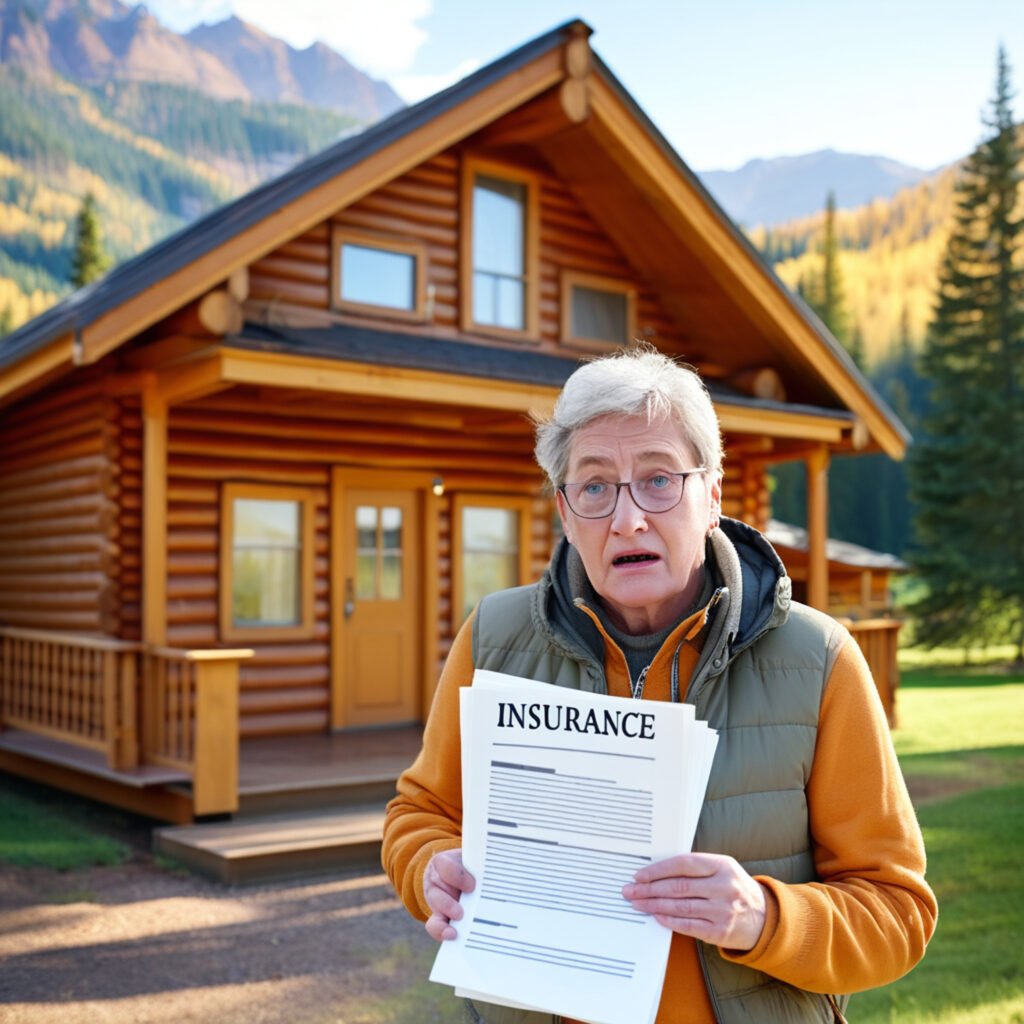
The right insurance for your cabin rental depends on understanding your options and making them line up with what you need.
Endorsements vs standalone policies
Endorsements add to your existing homeowners’ insurance and modify coverage to include short-term rental activities. Standalone policies are different. They are built specifically for vacation rentals and give detailed protection against risks of all types.
When to choose each type
An endorsement makes sense if you rent occasionally and your current insurer has this option. But frequent rentals or properties we used as investments need a standalone policy for better protection. To cite an instance, Proper Insurance offers all-risk policies with up to $3 million in liability coverage.
Coverage limits and exclusions
Sublimits for guest-caused damage need special attention. Many policies set strict limits on repair reimbursements. Look out for rules that exclude vacant periods, pet damage, and intentional damage.
How to compare providers
These critical factors need review:
- Claims processing (online vs. phone-only options)
- Payout history and speed
- Guest screening capabilities
- Coverage during vacancy periods
- Per-occurrence liability limits
Questions to ask before buying
The policy purchase should follow these questions:
- “Is guest-caused intentional damage covered?”
- “What is the waiting period for loss of income claims?”
- “Does coverage continue when the property is unoccupied?”
- “Are endorsements available for identity theft or special collections?”
- “What discounts are available for safety devices?”
Conclusion
Your rental cabin needs better protection than standard homeowners’ insurance. This piece shows how business exclusion clauses create dangerous coverage gaps that leave cabin owners financially exposed. The moment you accept paying guests, your regular policy could become invalid and lead to devastating claim denials.
Cabin hosts face serious risks. Guest damage, liability lawsuits, and problems from vacant properties are ground threats that regular policies don’t deal very well with. Short-term rental insurance becomes crucial to protect your investment property properly.
You can choose between two options: endorsements to cover occasional rentals or standalone policies for properties we mainly use as rentals. Your specific situation determines the best choice, though standalone policies usually protect dedicated rental properties better.
It’s worth mentioning that you should ask insurers detailed questions about coverage limits, exclusions, and claims processing. A careful policy comparison now can save you thousands when you file a claim later. The right coverage gives you peace of mind and lets you focus on what truly matters – creating exceptional experiences for guests while protecting your valuable cabin investment.
![How to Start a Cabin Rental Business: Build a 200 Sq Ft Money-Making Retreat [2025 Guide]](https://cabincalculator.com/wp-content/uploads/2025/07/How-to-Start-a-Cabin-Rental-Business-Build-a-200-Sq-Ft-Money-Making-Retreat-2025-Guide-768x438.webp)