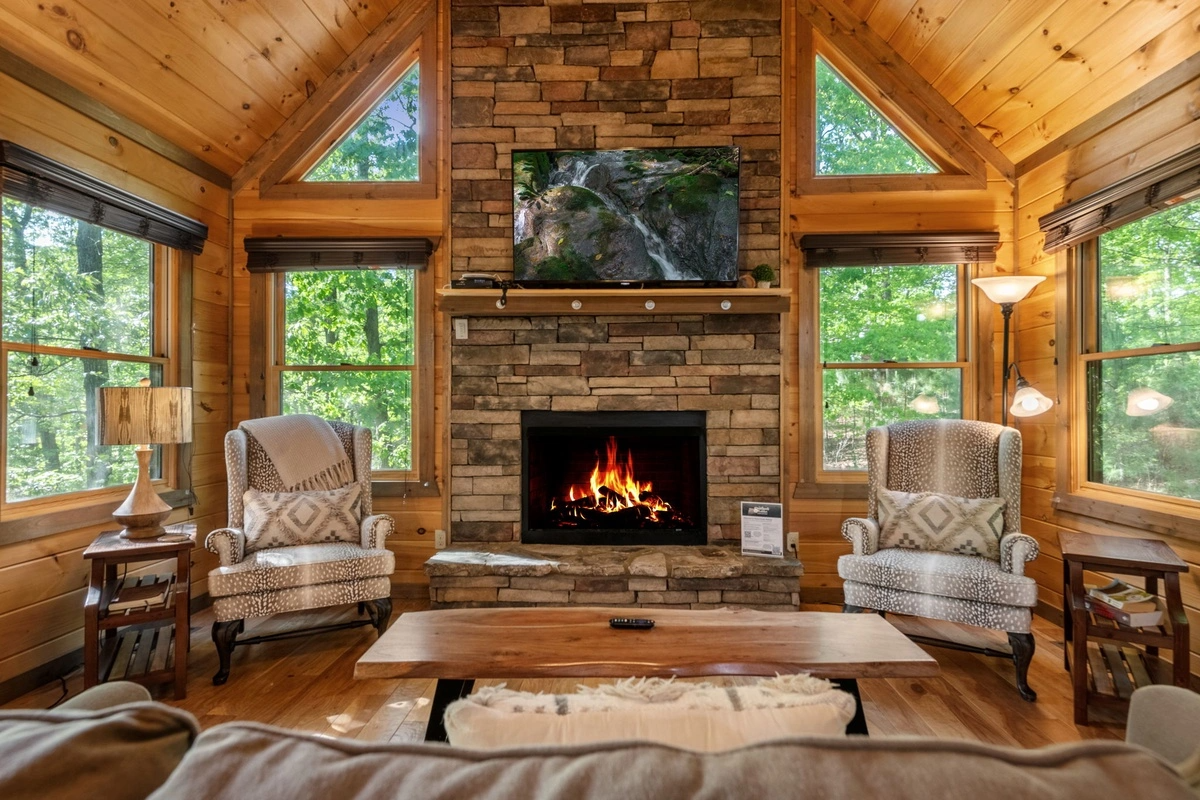
Your First 30 Days in a New Cabin: Essential Checklist for New Owners
Buying or building a cabin is a milestone moment. Whether it’s a weekend escape, a future retirement spot, or a short-term rental investment, that first month of ownership sets the tone for everything that follows.
The excitement is real — but so is the learning curve. Cabins behave differently than suburban homes. Systems are often simpler, locations more remote, and maintenance needs more seasonal. The smartest new cabin owners use the first 30 days not just to relax, but to observe, document, and prepare.
This checklist breaks down exactly what to focus on in your first month so you can protect your investment, avoid surprises, and actually enjoy cabin life.
Week 1: Get Oriented and Secure the Basics
1. Learn Your Cabin’s Systems
Before unpacking everything, take time to understand how your cabin actually works:
- Where the main water shutoff is located
- How the electrical panel is labeled
- How heating and cooling systems operate
- Whether you’re on well, septic, or off-grid systems
If you didn’t build the cabin yourself, don’t assume anything. Even experienced homeowners are often surprised by how different cabin systems are.
Pro tip: Create a simple systems map and keep it in a physical folder inside the cabin.
2. Change Locks and Secure Access
Even in remote areas, security matters.
- Change door locks or rekey them
- Secure sheds and storage areas
- Make spare keys deliberately (not casually)
If your cabin will ever be rented or shared, this step is essential.
3. Check Cell Service and Emergency Access
Cabins often sit in coverage gray zones.
- Test cell service at different spots
- Identify the best signal location
- Save offline maps to your phone
Also note:
- Closest hospital or urgent care
- Fire department access routes
- Physical address or GPS coordinates (critical for emergencies)
Week 2: Inspect, Test, and Document
4. Do a Full Walkthrough Inspection
Even brand-new cabins deserve a detailed inspection:
- Check for leaks after running water
- Look for gaps around doors and windows
- Inspect rooflines and gutters
- Test smoke and CO detectors
Cabins experience more temperature swings than standard homes — small issues show up fast.
5. Test Utilities Under Real Use
Don’t assume systems work until they’re stressed.
- Run multiple faucets simultaneously
- Use appliances back-to-back
- Heat and cool the cabin fully
If something fails now, it’s far easier to fix than during peak winter or rental season.
6. Start a Cabin Logbook
One of the most overlooked steps — and one of the most valuable.
Include:
- Dates of inspections and maintenance
- Filter changes
- Repairs and upgrades
- Utility readings (if applicable)
This log becomes gold for long-term ownership, resale, and rentals.
Week 3: Prepare for Weather, Seasons, and Nature
7. Weatherproof Early
Cabins live closer to the elements.
- Seal drafts and penetrations
- Check insulation access points
- Confirm snow load ratings if applicable
If your cabin will sit empty for stretches, weatherproofing is not optional.
8. Understand Drainage and Water Flow
Pay attention after rain:
- Where does water pool?
- Does runoff move away from the foundation?
- Are downspouts properly directed?
Poor drainage is one of the fastest ways cabins get damaged — and it’s often fixable early.
9. Wildlife Awareness
Cabins attract curious visitors.
- Look for signs of rodents or insects
- Identify areas where animals could enter
- Store food properly
Preventative steps now save headaches later — especially in shoulder seasons.
Week 4: Make It Livable and Sustainable
10. Stock Cabin-Specific Essentials
Cabins need a different supply mindset than city homes.
Keep on hand:
- Extra batteries and flashlights
- Backup heat source (if possible)
- First-aid kit
- Tools for basic repairs
- Water storage (even if on a well)
Think redundancy, not convenience.
11. Set a Maintenance Rhythm
Cabin ownership works best with routines.
Create a schedule for:
- Filter changes
- Chimney inspections
- Septic or system checks
- Seasonal opening and closing
Put reminders on your calendar — future you will be grateful.
12. Evaluate Internet and Connectivity Needs
Decide what role connectivity plays:
- Full-time remote work
- Occasional check-ins
- Rental guest needs
- Emergency communication only
Cabins don’t need city-grade internet — but they do need intentional solutions.
Bonus: If Your Cabin Will Be a Rental
If rentals are in your plans, your first 30 days should also include:
- Clear house rules
- Emergency instructions posted inside
- Guest-friendly system labels
- A basic inventory list
The smoother your systems are for you, the smoother they’ll be for guests.
Common First-Month Mistakes to Avoid
New cabin owners often:
- Delay small repairs that become big ones
- Ignore drainage until damage appears
- Underestimate seasonal prep
- Assume “rustic” means low maintenance
Cabins reward attentiveness — especially early on.
Why the First 30 Days Matter So Much
The first month is when:
- Systems reveal weaknesses
- Habits form
- Small issues are cheapest to fix
Treat this time as both a honeymoon and an orientation. The better you understand your cabin now, the fewer surprises you’ll face later.
Final Thoughts: Build Confidence Early
Owning a cabin is deeply rewarding — but it’s also a responsibility. The goal of your first 30 days isn’t perfection. It’s familiarity.
When you know how your cabin breathes, heats, drains, and rests, you move from being a new owner to a confident steward of the space.
And once that foundation is set?
That’s when cabin life really begins.