
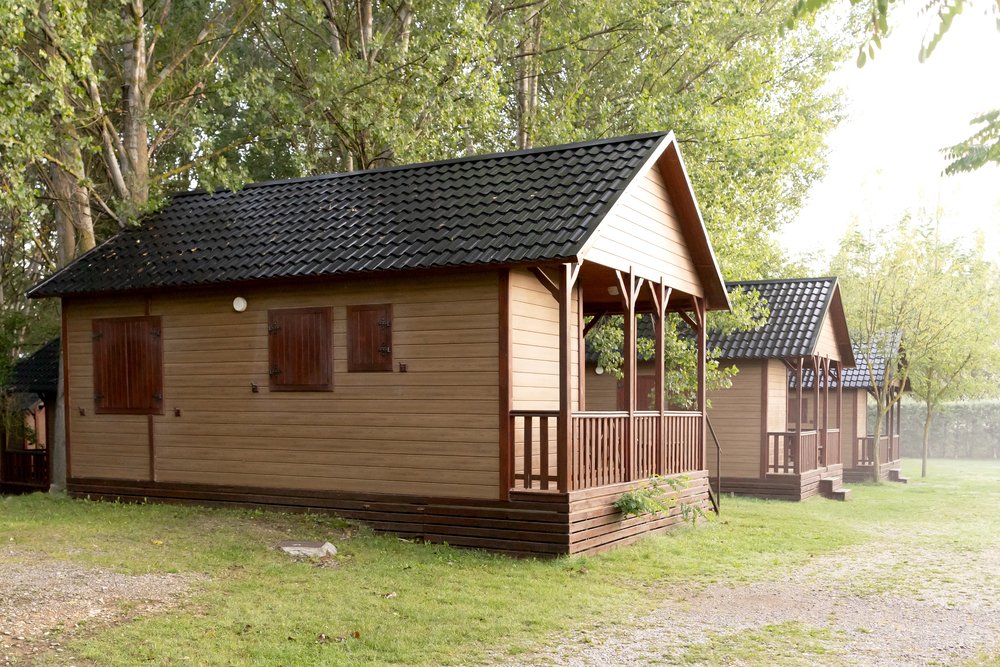
22 Smart Storage Ideas for Your 700 Square Foot Log Cabin
After a full year of living in my 700 square foot log cabin, I’ve made every classic small-space mistake in the book. I’ve fought the clutter, lost a few rounds, and slowly — strategically — won the war. If you’re in a cabin around the same size, you know the particular challenge: you love the coziness, but sometimes it feels like the walls are closing in.
The good news? Seven hundred square feet is actually a very workable footprint. The secret isn’t getting rid of everything you own (though a little of that helps). It’s about designing smarter systems that work with your cabin’s character rather than against it.
Here’s everything I’ve learned.
Think Vertically First
The biggest mistake small-space dwellers make is thinking horizontally — filling floor space until there’s none left. Log cabins, especially, often have beautiful tall walls and cathedral ceilings that are completely underutilized.
Go floor to ceiling with shelving. Built-in shelves that run from floor to ceiling make a room feel taller, not smaller, and dramatically increase your usable storage. In a cabin, open shelving looks especially natural against log or wood-paneled walls. Stack books, baskets, and decorative bins up high where you’d never think to reach — that’s prime real estate for seasonal items.
Install floating shelves in every dead zone. That stretch of wall above the couch? Above the toilet? Along the hallway? Every one of those spaces can hold a floating shelf. In my cabin, I have shelves in places I never would have thought to put them in a regular house — and they’ve become some of my favorite design features.
Use the space above doorways. A simple shelf installed above every interior doorway gives you a surprising number of linear feet for items you don’t access daily.
Hack Your Furniture
In a 700 square foot cabin, every single piece of furniture needs to earn its keep. If it doesn’t serve at least two purposes, it needs to justify its presence.
Opt for a storage bed. This is probably the single highest-impact swap you can make. Platform beds with built-in drawers underneath — or a lift-up bed frame — can hold an enormous volume of off-season clothing, extra linens, luggage, and bulk supplies. In a cabin without a full basement, your bed might become your single largest storage unit.
Use a storage ottoman as your coffee table. You get a surface, a seat for guests, and a hidden compartment. Mine holds extra blankets for cold nights — one of the most-reached-for items in a log cabin.
Choose a dining bench with storage. If your cabin has a dining area, a storage bench on one side of the table is a natural fit. It can hold firewood, board games, table linens, or anything else you want out of sight.
Invest in a sofa with arm storage or a chaise with a hidden compartment. These are more common than you’d think, and they look completely normal.
Master the Kitchen (Where Clutter Goes to Die)
Kitchens in small cabins tend to be proportionally tight. A few targeted strategies can double your effective storage.
Install a magnetic knife strip and hang your tools. Every knife block or utensil holder sitting on the counter is wasted horizontal space. Magnetic strips and wall-mounted organizers move everything vertical.
Use the inside of cabinet doors. Attach small shelves, hooks, or organizers to the inside faces of your cabinet doors. This works especially well for spices, cleaning supplies, pot lids, and foil/wrap rolls.
Stack with a pot rack. Hanging a ceiling-mounted or wall-mounted pot rack above your kitchen island or stove is a classic cabin aesthetic move — and it clears out an entire cabinet.
Go deep on pantry organization. In a small kitchen, a well-organized pantry (even a shallow one) is worth more than twice its square footage. Use lazy Susans for deep corners, stackable clear bins for dry goods, and door-mounted racks for canned goods.
Log Cabin-Specific Opportunities
Your cabin has structural features that standard apartments and houses don’t — and some of those features are hidden storage goldmines.
Build into your loft, if you have one. Many 700 square foot log cabins have a sleeping loft. The knee-wall space and the area beneath the loft stairs are often completely unused. Knee-wall cabinets (like those you’d find in an attic renovation) are perfect here, and under-stair storage drawers or cubbies can be custom-built or purchased as modular units.
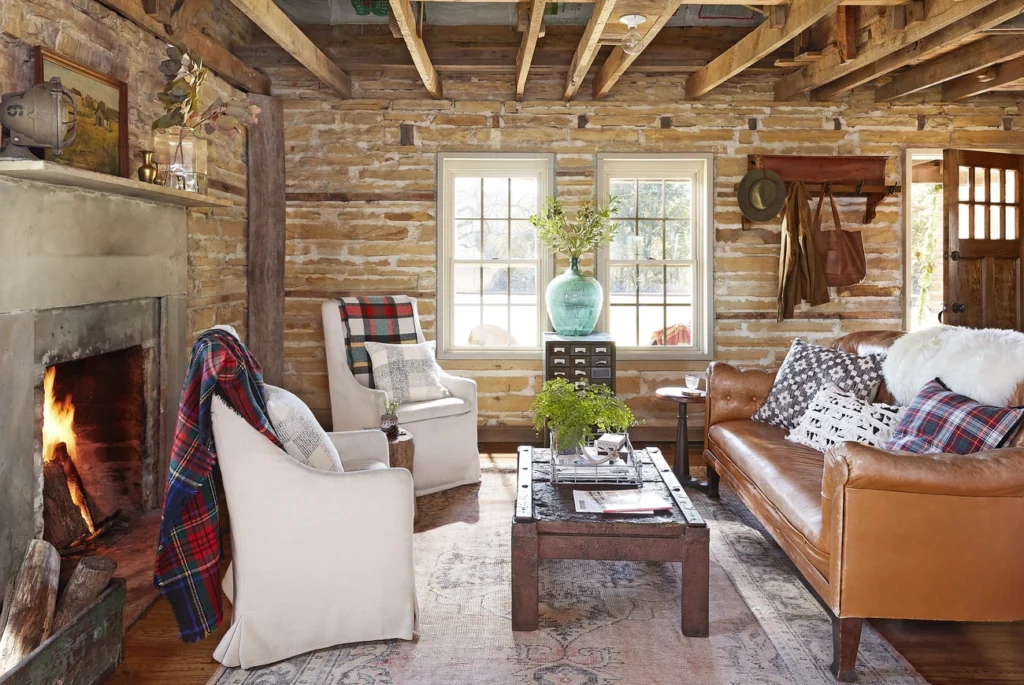
Use the log walls for hooks and hanging systems. Between the log rounds, there are natural recesses and character — but more practically, log walls are sturdy enough to mount almost anything. A Shaker-style peg rail is both functional and period-appropriate. Use it for coats, bags, hats, baskets, even bikes.
Create a mudroom area with vertical storage. Even if your cabin doesn’t have a formal entryway, you can designate a corner near the front door with a tall cabinet, hooks, and a small bench with storage underneath. This “catches” the chaos before it enters your living space.
Bedroom Strategies Beyond the Bed
The bedroom in a 700 square foot cabin often has to work overtime.
Use the space under a raised bed platform. If you’re handy (or willing to hire someone), a platform bed with a full storage system underneath — drawers on one side, open cubbies on the other — can functionally replace a dresser entirely.
Ditch the dresser, go with a wardrobe wall. A floor-to-ceiling wardrobe or closet system along one wall uses vertical space aggressively and can store far more than a traditional dresser-and-closet combo. IKEA’s PAX system, for example, can be configured specifically for your wall dimensions.
Hang a pegboard behind the closet door. The inside of a closet door is one of the most overlooked surfaces in any home. A pegboard system there can hold jewelry, accessories, small bags, and miscellaneous items that would otherwise clutter surfaces.
Bathroom Storage in Tight Quarters
Cabin bathrooms tend to be small and utilitarian, but a few clever moves go a long way.
Install a recessed medicine cabinet. Recessing a cabinet into the wall (between studs) gives you several inches of storage depth without taking up any floor or surface space.
Use the space above the toilet. An over-the-toilet shelving unit — or a simple pair of floating shelves — is free storage that most people ignore.
Add a towel ladder. A leaning towel ladder takes almost no floor space and holds multiple towels, robes, and a few baskets for toiletries.
The Declutter Dividend
Here’s the thing no storage article wants to say plainly: the most effective storage strategy is owning less. After a year in my cabin, I’ve noticed that I do a quarterly pass through my belongings and get rid of anything I haven’t touched. The cabin itself has become a natural filter — there’s simply no hiding clutter here the way you can in a 2,000 square foot house. Things either have a place, or they leave.
That accountability has actually become one of my favorite things about cabin living. My space is intentional in a way it never was before.
Final Thoughts
A 700 square foot log cabin is a genuinely livable, comfortable size — but it requires you to be deliberate in a way that larger homes don’t demand. The storage strategies above aren’t about cramming more stuff into less space; they’re about making every square foot (and every vertical foot) count.
Start with one or two high-impact changes — a storage bed, some floor-to-ceiling shelving, or a mudroom hook system — and you’ll immediately feel the difference. The cabin will breathe again, and so will you.
Have your own small-cabin storage solutions? Share them in the comments below.
