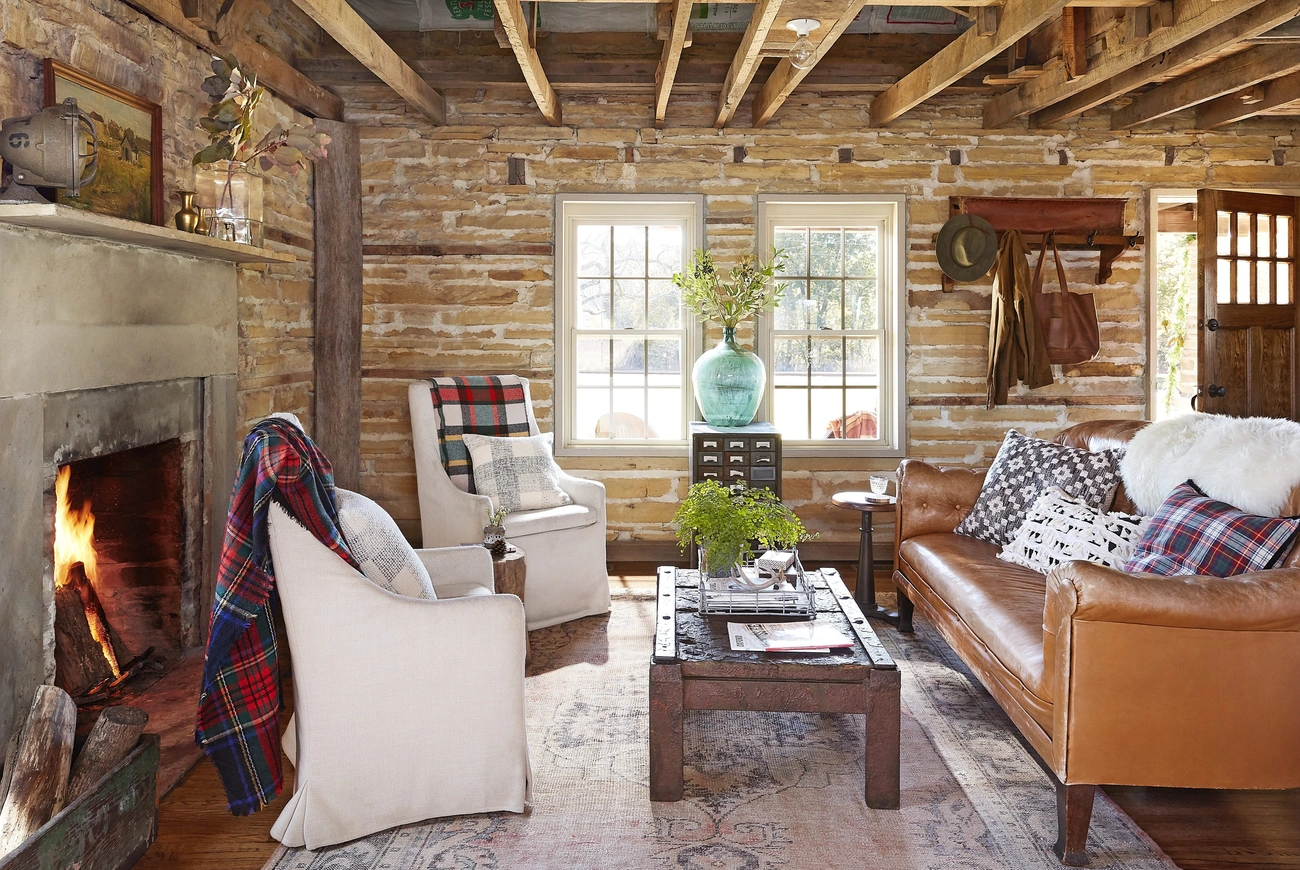
Antique Furniture vs Modern Pieces: Essential Guide for Cozy Cabins
Most people wonder about antique furniture and how it is different from other older pieces. These terms often get mixed up, but a clear difference exists. A piece must be at least 100 years old to qualify as an antique, while vintage items typically range between 40 to 50 years old.
Your cabin’s authentic atmosphere depends on knowing the difference between antique and vintage furniture. These pieces offer more than just decorative value – their superior construction explains why they last longer than modern furniture. These timeless items help save objects from ending up in landfills.
My experience shows that rooms become extraordinary with a mix of vintage and new pieces. The creative possibilities expand when you merge vintage and antique furniture with modern designs instead of buying everything new. This piece explores quality piece identification, shopping tips, and ways to balance old-world charm with modern comfort in your cabin retreat.
Understanding the Difference: Antique vs Vintage
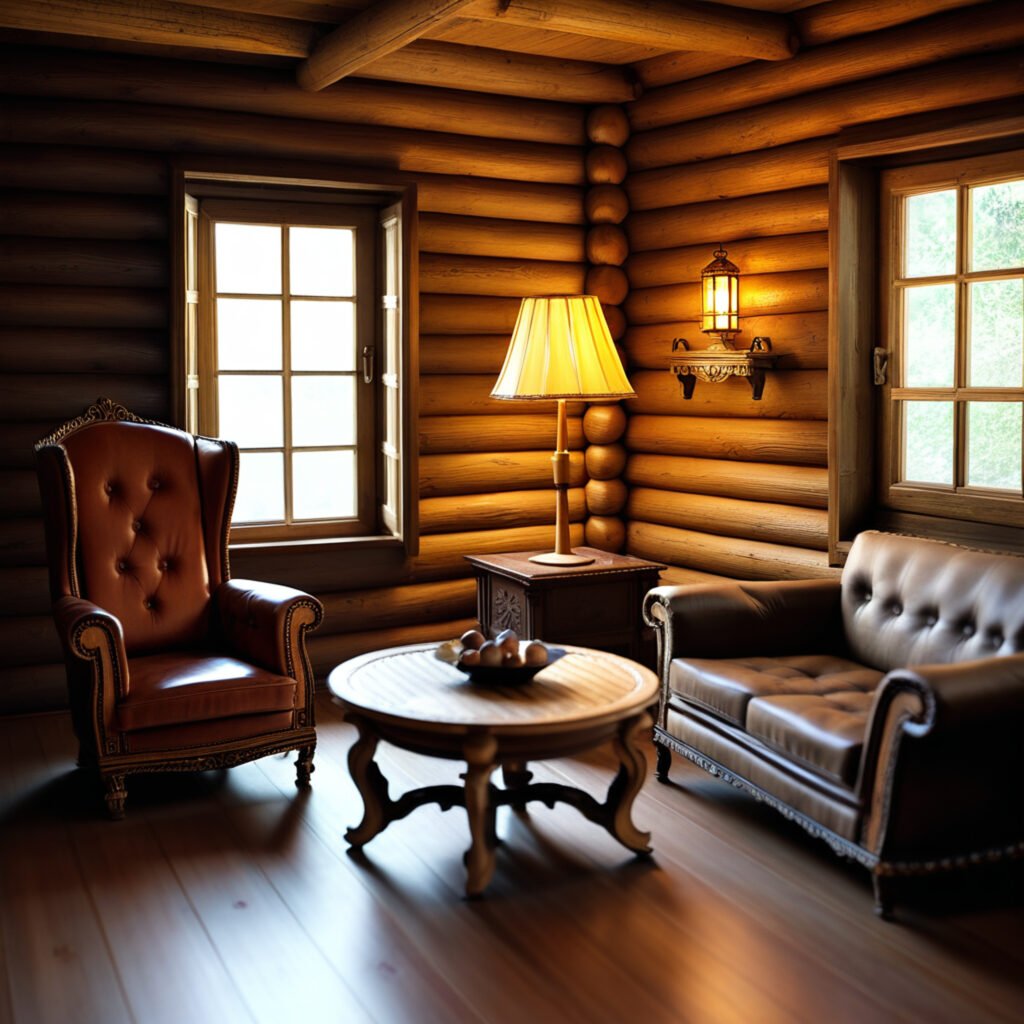
“Antique pieces differ significantly from modern furniture in that they were constructed by hand and usually comprise solid wood rather than veneered or pressed materials, which makes them stronger and more resilient.” — FurnitureDuco Editorial Team, Furniture Industry Experts
Decorating a cabin can be tricky when you’re trying to make sense of all the terms used for older furniture. Let me help clear up these differences.
What is considered vintage furniture?
Vintage furniture sits right between new and truly old pieces, ranging from 20 to 99 years old. The term “vintage” gives you more wiggle room than antiques when it comes to age requirements. Most experts say vintage pieces should be at least 20 years old but not quite a century. These items usually capture their era’s unique style and bring a sense of nostalgia.
You’ll find vintage furniture often represents iconic design movements. Mid-Century Modern from the 1950s-1970s and Art Deco from the 1920s are great examples. These pieces still work perfectly well today and showcase the authentic materials and craftsmanship of their time. They work beautifully in cabins because they blend historical charm with everyday usefulness.
What is considered antique furniture?
The rules for antique furniture are pretty simple – pieces need to be at least 100 years old. This isn’t some random number. Auction houses, collectors, and customs officials worldwide stick to this standard. As we move through 2025, any furniture made before 1925 now counts as a true antique.
Antique pieces stand out because craftsmen made them before mass production took over. Each piece tells its own story, handcrafted by skilled artisans who poured their expertise into every detail. These historical treasures are perfect for creating that genuine cabin feel you’re after.
How retro fits into the mix
Retro furniture often throws cabin owners for a loop. Unlike vintage or antique pieces with real age behind them, retro describes new furniture that copies styles from past decades. The word comes from French and means “to move backward” – it first showed up in 1972.
Retro pieces might have been built yesterday, but look just like something from the 1960s or 1970s. This style gives cabin owners a budget-friendly way to capture that nostalgic look without hunting down authentic vintage or antique pieces.
Best Furniture to Buy Vintage for Cabins
The right vintage pieces can turn your ordinary cabin into something extraordinary. My years of decorating mountain retreats have taught me that certain vintage items really shine when it comes to both character and functionality.
Lamps and lighting fixtures
Vintage lamps create such an inviting atmosphere that you’ll want to grab a book and settle in. Tiffany-style stained glass and mica shades fill rooms with warm, ambient light that’s perfect for cozy evenings. Wrought-iron chandeliers and wall sconces add rustic charm while lighting up your space beautifully.
Vintage ceiling, floor, and table fans serve as both decoration and practical items. Your cabin could feel like a Bogart-era hideaway with restored period fans that feature teak, rattan, or bamboo “leaf” blades. The Casablanca Zephair spins with 1920s flair, while Bellacor’s stem-mounted rustic copper ceiling fan gives off a simpler, timeless look.
Oil paintings and wall art
Vintage oil paintings of woodland scenes really set the tone for cabin décor. These artworks usually show rustic cabins, mountain landscapes, and wildlife that connect visually with your cabin’s natural setting.
You’ll find English cottage paintings and forest cabin landscapes add a nostalgic touch without emptying your wallet. Many options are available between $18-$136, making them budget-friendly. The best statement pieces include framed Swedish mountain landscapes or original wildlife scenes with bears and wolves that really capture cabin life.
Rugs with character and durability
A great vintage rug anchors your space and stands up to heavy cabin use. Braided wool rugs, Navajo rugs, Oriental carpets, and flatweave Turkish kilims have graced cabin floors forever, and with good reason, too.
Low-pile rugs make sense in cabins because they’re easy to clean and vacuum in high-traffic areas. These rugs typically last longer than their modern counterparts. Local antique shops let you see and feel pieces firsthand. A rug that’s made it to a second-hand store has shown its staying power and will likely serve your cabin’s needs for years.
Natural materials like wool should top your list when picking vintage rugs. Wool’s natural stain resistance works great in cabin settings where the outdoors often comes inside.
Best Furniture to Buy Antique for Cabins
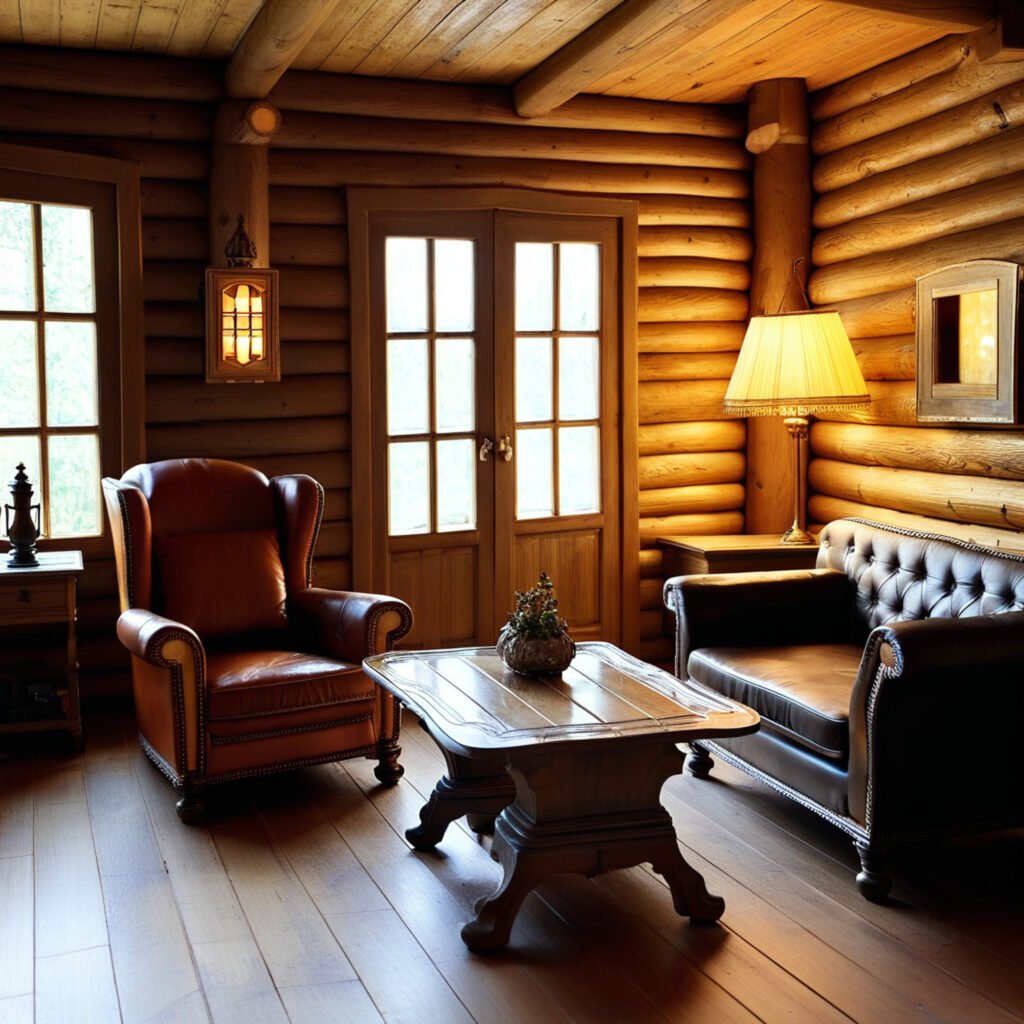
Antique furniture adds a timeless authenticity to cabin spaces that new pieces just can’t match. My years of cabin decorating have shown that some antique pieces stand out more than others when it comes to both function and beauty.
Solid wood furniture pieces
The exceptional craftsmanship makes antique solid wood furniture last forever. Craftsmen made these pieces by hand using hickory, cedar, aspen, pine, and reclaimed barnwood. Each piece shows its own unique color, smell, and grain patterns. Oversized chairs, sectional couches, and sturdy log bed frames can turn basic cabins into rustic getaways. These pieces offer comfort and durability you won’t find in mass-produced furniture.
Decorative accents like mirrors and consoles
Antique mirrors from the 18th to 20th centuries can raise a cabin’s interior beauty with their ornate frames and aged glass textures. Natural light bounces off these pieces to make smaller cabin spaces look larger and more welcoming. Antique console tables paired with vintage mirrors create beautiful focal points above mantels. These decorative elements add a sense of history that modern pieces just can’t capture.
Glassware and silverware for rustic charm
A cabin needs antique utensils and glassware that showcase wilderness designs. You can build vintage silverware collections one piece at a time. Themed glassware with wildlife motifs or cabin scenes makes great gifts for outdoor enthusiasts. Pine trees and cabin imagery on dishwasher-safe etched wine glasses blend practicality with rustic elegance. These pieces work well for daily use and special occasions.
Tips for Mixing Old and New in Cozy Cabins
“Incorporating antiques into modern interiors adds depth, character, and a rich sense of history. These pieces bring unique stories and cultural significance, grounding contemporary spaces with warmth and soul.” — Ahmad AbouZanat, Interior Designer, Principal at Project AZ
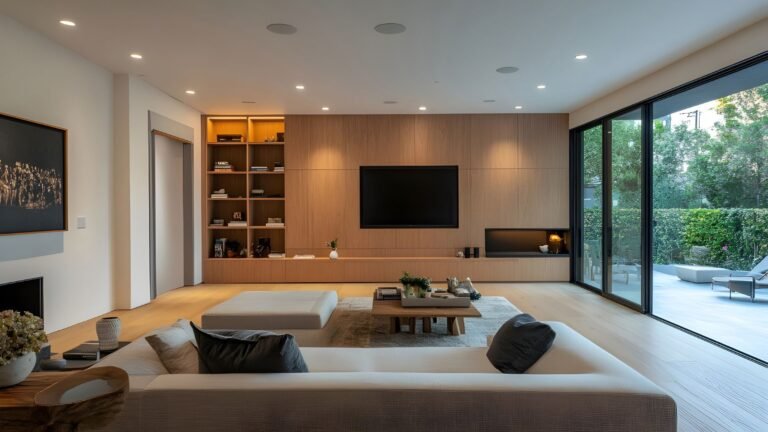
Blending vintage and antique furniture with contemporary pieces creates a cabin that feels both timeless and livable. Success comes from knowing how to mix these elements the right way.
Start with one standout vintage or antique piece
Your space needs one hero piece—maybe even a grand marble-topped coffee table or an intricately carved wooden armoire—as your focal point. The right placement of this statement piece will maximize its visual appeal. “Mixing modern with antique furniture is such a strong way to bring a personal narrative into a room,” notes designer Jen Baxter. This approach will give your space a curated look rather than a chaotic one.
Balance modern comfort with old-world charm
Modern amenities blend beautifully with vintage aesthetics to create practical livability. USB ports can be added inside retro nightstands, while high-quality contemporary bedding refreshes an antique bed. Your cabin maintains its authentic character without feeling like a museum exhibit through this thoughtful balance.
Use color and texture to unify styles
Neutral tones create a seamless backdrop that connects old and new elements. Different eras and forms can work together when unified by a consistent color palette or repeated shapes. Depth and dimension emerge through contrasting textures—smooth surfaces next to rough ones, shiny objects paired with matte finishes.
Avoid overly fussy or fragile items
Sturdy and comfortable pieces work best in cabin environments. Antique dresser drawers that stick and vintage beds that creak should be avoided. Mid-century dressers with smooth-sliding drawers and comfortable modern seating make better choices.
Conclusion
The world of cabin furniture shows us how antique and vintage pieces add a special charm you just can’t get from mass-produced items. My time decorating mountain retreats has taught me that mixing historical craftsmanship with modern functionality creates spaces that feel like real homes instead of sterile showrooms.
Of course, there’s a real difference between antique, vintage, and retro when you’re picking pieces for your cabin. All the same, the most important thing is to find items that connect with you and can handle cabin life. Each piece of previously loved furniture tells its own story through worn edges and patina—something new pieces just can’t match.
Mixing old with new might seem tricky at first. Starting with one statement piece lets you build your look step by step. The focus should be on sturdy items rather than delicate showpieces to keep your cabin practical for everyday use. Solid wood tables, vintage lamps, and quality rugs that can take regular use should be your priority.
Your cabin’s style should show your own connection to rustic living. You might choose a family’s antique bed frame passed down through generations or a vintage oil painting you found in a local shop. These personal touches turn ordinary spaces into amazing retreats. The right mix of historical elements and modern comfort creates a cabin that honors the past while fitting today’s lifestyle—a timeless haven that makes everyone feel at home.