Tiny Cabins, Big Dreams: Creative Uses for Micro Cabin Spaces
Tiny cabins aren’t just a trend — they’re a mindset. As land prices rise, construction costs fluctuate, and more people seek flexibility over square footage, micro cabins have emerged as one of the most versatile building options available today. Whether tucked deep in the woods, perched on a backyard corner, or placed on a scenic rental property, these small structures prove that thoughtful design can unlock outsized potential.
But the real magic of micro cabins isn’t just how small they are — it’s how creatively they’re used. From income-producing rentals to highly focused personal retreats, tiny cabins are reshaping what “enough space” really means.
In this article, we’ll explore creative, practical, and sometimes surprising ways micro cabins are being used — along with design strategies that make small spaces work harder than ever.
What Is a Micro Cabin?
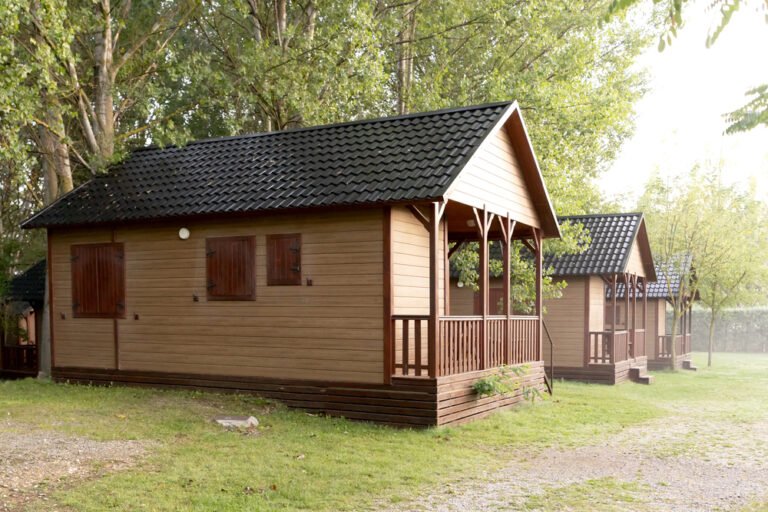
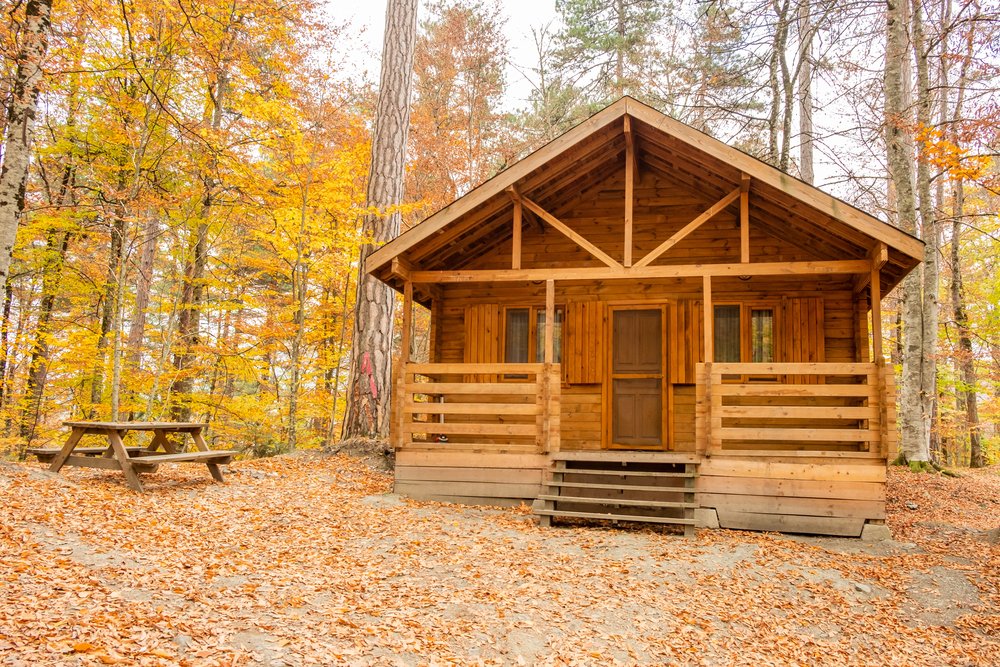
While definitions vary, most micro cabins fall between 100 and 400 square feet. Some are rustic and off-grid. Others are modern, climate-controlled, and fully permitted. What they share is intentional design: every square foot has a purpose.
Micro cabins appeal to:
- First-time builders testing the waters
- Property owners adding structures incrementally
- Rental hosts maximizing land use
- People seeking simplicity without sacrificing comfort
And unlike traditional cabins, micro cabins often cost less, build faster, and require fewer permits — depending on location.
1. The Weekend Escape Cabin
One of the most popular uses for a micro cabin is the low-maintenance getaway. For many owners, the goal isn’t full-time living — it’s a place to unplug.
These cabins typically include:
- A sleeping loft or murphy bed
- Compact kitchenette or outdoor cooking setup
- Wood stove or mini-split HVAC
- Simple bathroom or composting toilet
The appeal lies in minimal upkeep. You arrive, relax, and leave — without worrying about managing a large structure year-round.
Design tip: Prioritize natural light. Large windows and sliding doors can make a 200-square-foot cabin feel expansive.
2. Income-Producing Short-Term Rentals
Micro cabins punch well above their weight in the short-term rental market. Travelers increasingly value:
- Unique experiences
- Privacy
- Natural settings
- Affordable nightly rates
A well-designed tiny cabin can outperform larger rentals on a per-square-foot basis.
Successful rental micro cabins often focus on:
- Strong visual identity (modern, rustic, or themed)
- Outdoor amenities (fire pits, decks, hot tubs)
- Efficient layouts that feel intentional, not cramped
Because construction costs are lower, owners can often:
- Test a rental concept with less risk
- Add cabins one at a time
- Scale a property gradually
In many markets, two micro cabins generate more revenue than one large cabin, while spreading risk across multiple units.
3. Backyard Studios and Creative Spaces
Micro cabins shine as purpose-built spaces. Artists, writers, musicians, and remote workers use them as backyard sanctuaries — separate from the distractions of the main house.
Common studio uses include:
- Writing or art studios
- Home offices
- Music practice rooms
- Photography or video production spaces
Unlike converted garages or spare rooms, micro cabins create a psychological boundary between work and home life — which often improves focus and creativity.
Design tip: Sound insulation and electrical planning matter more than square footage for creative uses.
4. Guest Cabins Without the Guest House Price
Hosting friends and family is one of the most underrated uses for a micro cabin. A detached guest cabin offers privacy for everyone — without the expense of a full guest house.
Guest-focused micro cabins often include:
- Sleeping space for 1–2 people
- A small bathroom or nearby access
- Heating and cooling
- Minimal storage
Because guests use the space intermittently, you can simplify systems while still delivering comfort.
Bonus: When guests aren’t visiting, the cabin can double as a rental, office, or retreat space.
5. Transitional Living and “Stepping Stone” Builds
Some builders use micro cabins as Phase One of a larger plan. Instead of building a full-sized cabin immediately, they:
- Start with a small, livable structure
- Use it while building the main cabin
- Repurpose it later as a guest or rental unit
This strategy reduces pressure and spreads costs over time.
It’s especially effective for:
- Remote land with limited infrastructure
- DIY builders working nights and weekends
- Owners unsure of their long-term layout
A micro cabin can serve as housing, storage, and headquarters during construction — then continue adding value afterward.

6. Wellness Retreats and Personal Reset Spaces
Micro cabins are increasingly used for wellness-focused purposes:
- Meditation cabins
- Yoga studios
- Therapy or coaching spaces
- Personal retreats for digital detox
These cabins prioritize:
- Quiet
- Natural materials
- Views and outdoor connection
- Minimal technology
The small footprint reinforces the purpose: simplicity, focus, and restoration.
Design tip: Incorporate decks, pergolas, or screened porches to extend usable space without increasing interior square footage.
7. Storage, Utility, and Hybrid Uses
Not every micro cabin needs to be a full living space. Hybrid cabins combine functions:
- Workshop + loft
- Storage + office
- Gear room + sleeping nook
These are especially useful on recreational land for:
- Hunters and anglers
- Outdoor enthusiasts
- Seasonal users
A hybrid micro cabin can replace multiple outbuildings with one well-designed structure.
Design Principles That Make Micro Cabins Work
Creative use matters — but design execution determines success. The best micro cabins share common principles:
Multi-Functional Furniture
- Benches with storage
- Fold-down tables
- Convertible beds
Vertical Space
- Lofts
- Tall shelving
- High ceilings
Indoor-Outdoor Flow
- Large doors
- Covered porches
- Outdoor kitchens
Simple Systems
- Smaller HVAC
- Tankless water heaters
- Off-grid-ready layouts
The goal isn’t to cram more in — it’s to eliminate what isn’t needed.
Why Micro Cabins Make Financial Sense
Beyond creativity, micro cabins often align better with real-world budgets:
- Lower construction costs
- Faster build times
- Reduced maintenance
- Easier permitting in some areas
They allow owners to:
- Test ideas before scaling
- Adapt to changing needs
- Reduce financial risk
In uncertain economic conditions, flexibility is a feature — not a compromise.
Final Thoughts: Small Spaces, Big Possibilities
Micro cabins prove that size doesn’t limit ambition — design does. Whether you’re creating a personal retreat, launching a rental business, or carving out space for creativity, tiny cabins offer a rare combination of affordability, flexibility, and charm.
The most successful micro cabins aren’t defined by what they lack — but by how intentionally they’re used.
When every square foot has a purpose, even the smallest cabin can support the biggest dreams.